CNC MILLING SERVICES
CNC Milling Services for Custom Metal Housings, Brackets and Precision Plates
Our custom CNC milling services support CNC milling prototype parts, pilot builds and repeat low-volume OEM demand for prismatic geometry, multi-face machining, cosmetic outer faces and inspection-ready RFQ packages.
If the part family is still broad, compare Custom Metal Parts. If your program mixes milling, turning and secondary operations, review CNC Machining Services before sending the final package.
Best Fit for CNC Milling RFQs
| Part families | Housings, brackets, fixture plates, covers, manifolds, mounting bases |
| Typical features | Pockets, slots, tapped holes, bosses, sealing faces, multi-side geometry |
| RFQ must-haves | 3D CAD, critical dimensions, finish notes, inspection requirements, target quantity |
| Supplier fit | Best for buyers comparing one CNC milling supplier or CNC milling company against axis access, material range and document support |
| Next step | Upload CAD for Quote |
Axis Strategy
Choose 3-axis, indexed 4-axis or 5-axis based on access, setup count and part geometry.
Common Features
Pockets, slots, sealing faces, tapped holes, bosses and mounting datums.
Buyer Inputs
Material grade, quantity band, finish notes, cosmetic surfaces and destination country.
Quality Planning
Dimensional reports, FAI and material certificates should be selected during RFQ.
Where CNC Milling Fits in a Metal Part Program
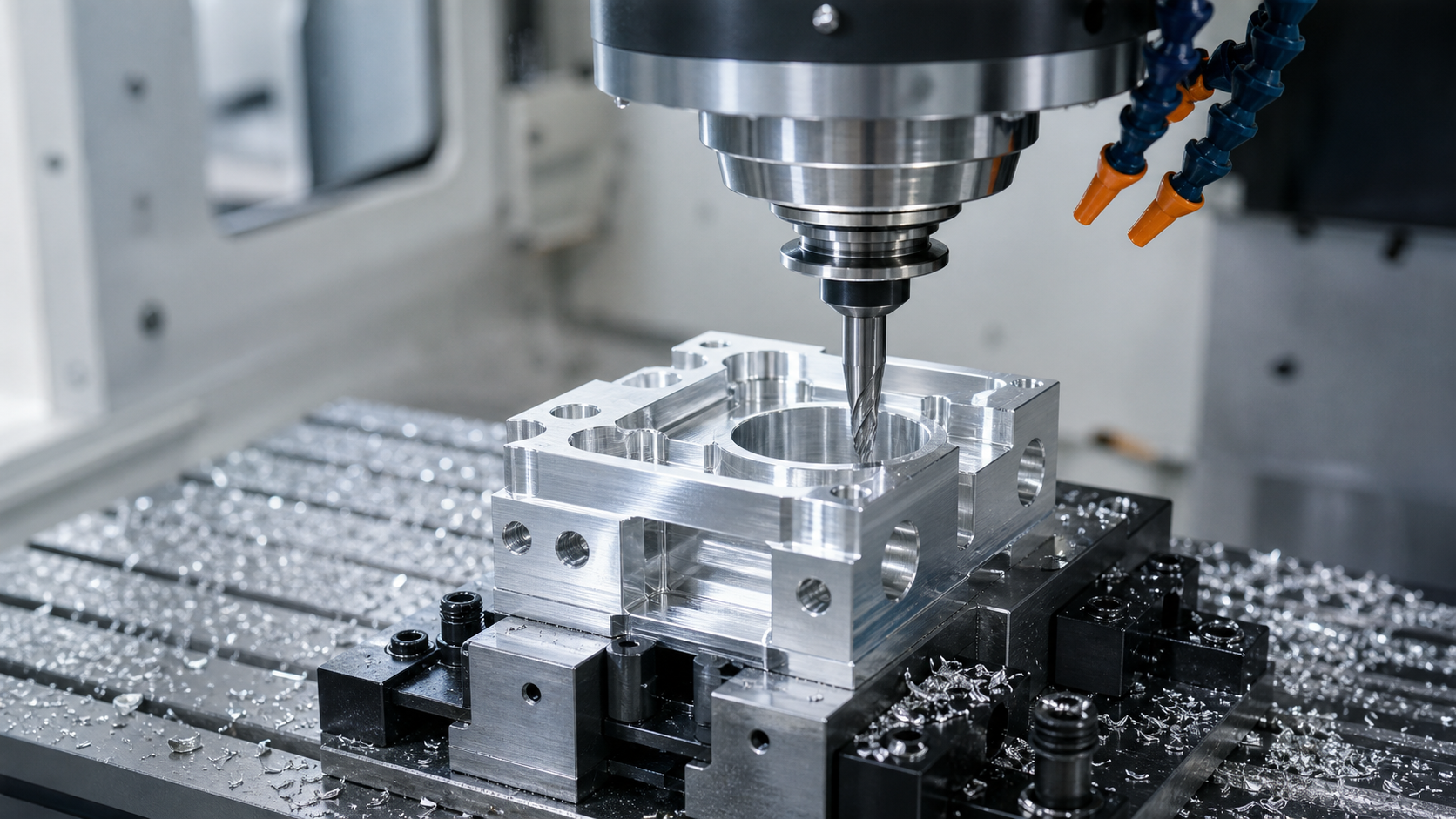
CNC milling is usually the right route for prismatic parts that need machined faces, pockets, threaded holes and repeat datum control. Compared with turning, milling is better for rectangular or irregular geometries and for parts that need features on several faces. This CNC milling service page is built for OEM teams comparing custom CNC milling services across part complexity, material choice and quote-readiness.
- Housings and enclosures: internal pockets, gasket grooves, threaded covers and cosmetic outer faces.
- Brackets and adapter plates: mounting holes, edge break control, flatness and positional accuracy.
- Fixture and tooling plates: dowel holes, repeat datums, assembly locations and wear faces.
- Multi-face manifolds and covers: feature access on several sides without multiple loose setups.
If your project includes both milled and turned features, start from CNC Machining Services. If the part category is still open, compare Custom Metal Parts before locking the routing path.
Axis and Feature Fit Matrix
| Axis Route | Best For | Typical Features | RFQ Guidance |
|---|---|---|---|
| 3-axis milling | Open-access brackets, flat plates, simple housings and fixture blocks | Pockets, slots, drilled and tapped holes, simple contours | Call out hole positions, flatness, thread depth and cosmetic outer faces |
| 4-axis indexed milling | Parts with features on several side faces and reduced repositioning needs | Cross holes, side pockets, repeated side features, wrapped datums | Mark datum changes, orientation-sensitive surfaces and inspection faces |
| 5-axis milling | Complex multi-face geometry, angled features and setup reduction programs | Compound angles, difficult access, blended surfaces, reduced workholding marks | Highlight critical access areas, finish-sensitive surfaces and tolerance stack priorities |
Milled Feature Quote Checklist
Most top milling quote pages explain axis options and materials, but OEM buyers also need to show which features control machining strategy, finish handling and inspection time. Add these details to the CAD package or drawing notes before requesting a quote.
| Milled feature | What to show in the RFQ | Why it affects milling review | Common buyer note |
|---|---|---|---|
| Deep pockets and slots | depth, internal radii, bottom finish and tool-access limits | drives tool length, chatter risk, cycle time and corner-radius feasibility | mark which internal corners are functional and which can accept larger radii |
| Threaded holes and inserts | thread size, depth, blind/through status and insert requirement | changes tapping strategy, inspection method and assembly reliability review | separate cosmetic holes from fit-critical or load-bearing holes |
| Datum and sealing faces | flatness, surface finish, gasket areas, bearing seats and mating faces | sets fixturing, finishing protection and dimensional inspection priorities | identify faces that must stay free of clamp marks or coating buildup |
| Multi-side features | side holes, cross ports, angular faces and orientation-sensitive datums | determines whether indexed 4-axis, 5-axis or multiple setups are more practical | state whether setup marks are acceptable on hidden faces |
| Cosmetic outer surfaces | show faces, grain direction, finish type, color and packaging concern | affects workholding, bead blasting, anodizing, masking and final packaging review | mark the A-surface and any surfaces that can remain as-machined |
Part Families Commonly Quoted Through Milling
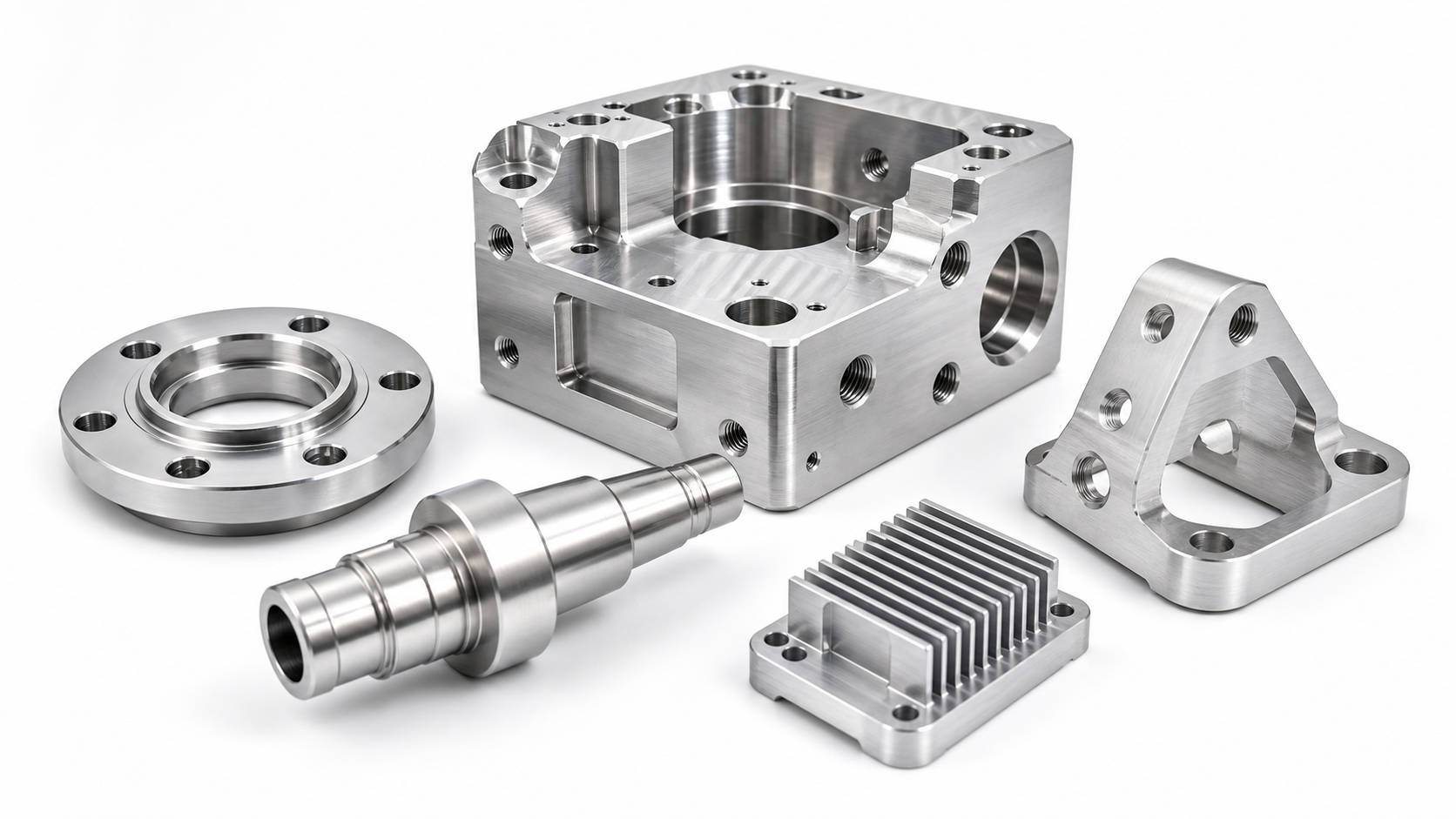
Aluminum housings
Internal pocketing, sealing faces, cosmetic bead blasting and anodizing combinations.
Mounting brackets
Hole position control, countersinks, edge finish and repeat assembly locations.
Fixture plates
Dowel holes, datum repeatability, flatness-critical faces and workholding interfaces.
Covers and manifolds
Multi-side access, threaded ports, sealing grooves and pressure-sensitive faces.
Aluminum CNC milling is one of the most common requests on this page, especially for housings, brackets and cosmetic covers that need machining plus anodizing. For broader OEM sourcing routes, review Custom Metal Parts. To move directly into a live quote workflow, use Upload CAD for Quote.
Materials, Finishes and Inspection Planning
Most CNC milling programs should be quoted as a package, not as geometry alone. Material grade, finish expectations and documentation level can all change route, masking, inspection time and final lead time. Precision CNC milling work also depends on which surfaces are truly critical and which can remain standard production features.
| Decision Area | Common Choices | Why It Affects the Quote |
|---|---|---|
| Material | 6061, 7075, 304, 316, 17-4 PH, 1018, 4140, C360, C110, Ti-6Al-4V | Machinability, tool wear, cosmetic finish response, corrosion performance and cost all change |
| Surface finish | As-machined, anodizing, bead blasting, passivation, powder coating, black oxide | Adds masking, coating thickness concerns, cosmetic inspection and packaging constraints |
| Inspection documents | Dimensional report, FAI, material certificate, cosmetic inspection | Determines measurement planning, reporting scope and release criteria before shipment |
If the part is finish-sensitive, define the finish before quoting. If the part is tolerance-sensitive, mark the true critical dimensions instead of applying tight limits everywhere.
Prototype, Pilot and Repeat Supply Inputs
Prototype
Function-critical geometry, early material intent and fast feedback on manufacturability risk.
Pilot Run
Final drawing revision, cosmetic standards, finish selection and inspection level.
Repeat Low-Volume
Quantity bands, packaging expectations, recurring documentation and destination-country context.
If your sourcing team is screening a CNC milling supplier for prototype-to-repeat continuity, keep the build stage labeled in the RFQ so the process review and quote route stay aligned.
RFQ Checklist for Faster Milling Quotes
- 3D CAD plus 2D drawing: use CAD for geometry and the drawing for datums, threads, finish notes and critical tolerances.
- Material and grade: separate items clearly if the package includes more than one material.
- Quantity and build stage: prototype, pilot and repeat supply should not be mixed without labeling.
- Finish requirements: note anodizing, passivation, blasting, powder coating or cosmetic surface expectations.
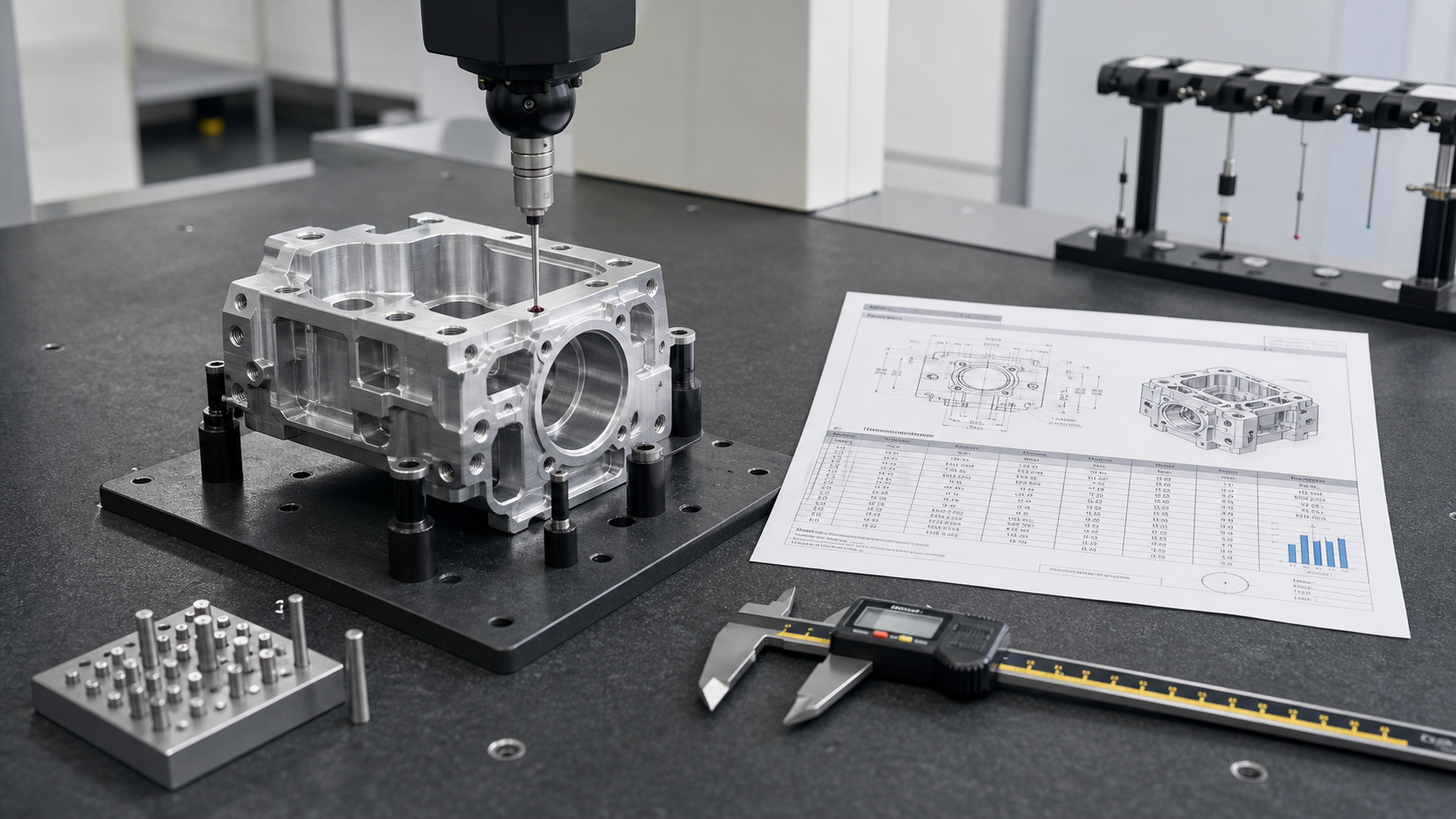
- Inspection scope: request dimensional reports, FAI or material certs before quote release.
Design Notes Buyers Should Capture
- Pocket depth and tool access: very deep narrow pockets can drive cost and tool strategy.
- Internal corner condition: specify realistic corner radii when a sharp internal corner is not function-critical.
- Visible cosmetic faces: mark show surfaces so workholding and finish review are aligned.
- True critical dimensions: avoid over-tolerancing nonfunctional features.
- Assembly interfaces: call out sealing faces, bearing fits, dowel holes and mating datums clearly.
When the drawing package is ready, go directly to Upload CAD for Quote.
CNC Milling Services FAQ
When is milling better than turning?
Milling is usually better for prismatic parts, pockets, slots, mounting faces and multi-side geometry. Turning is better for cylindrical parts such as shafts, bushings and round fittings.
What should I upload for a milling quote?
Upload a 3D model and a 2D drawing with critical dimensions, threads, finish notes, cosmetic face calls and any inspection-document requirements.
Can you quote cosmetic aluminum housings?
Yes. Mark show surfaces, finish type, masking expectations and appearance requirements during RFQ review so the quote reflects cosmetic handling.
Can I request FAI or dimensional reports for milled parts?
Yes. Include those requirements before quoting so inspection planning matches the part risk level and release criteria.
Which materials are commonly used for CNC milling services?
Common choices include aluminum, stainless steel, steel, brass, copper and titanium, depending on strength, corrosion resistance, weight, conductivity and finish needs.