PRECISION CNC MACHINING
Precision CNC Machining for Tight-Tolerance Metal Parts
Our precision CNC machining services are appropriate when part function depends on controlled datums, fit-critical dimensions, documented inspection and repeatable machining from prototype through low-volume supply. The buying decision is less about a generic machine list and more about how the drawing, process route and verification plan work together for precision machined parts.
If your project mixes tight-tolerance features with broader geometry, define the precision review package before submitting the final RFQ. Buyers screening a precision machining supplier should show where tight tolerance machining, document scope and finish-sensitive features actually drive part acceptance. For broader process scope, see our CNC machining services, CNC milling services and CNC turning services.
Precision RFQ Review Focus
- Datum structure and GD&T intent
- Fit-critical bores, diameters and faces
- Surface finish tied to function
- Dimensional report or FAI needs
- Critical feature measurement sequence
- Repeatability from first build onward
Send the controlled drawing, model, material, quantity and document requirements together so tolerance planning is aligned before machining starts, especially for machined parts with dimensional report or FAI requirements.
Critical Fits
Bearing bores, locating diameters, sealing lands and repeat-assembly interfaces.
Drawing Logic
Feature-specific tolerances, stable datums and clear distinction between critical and general dimensions.
Inspection Path
Dimensional reports, FAI planning and measurement points tied to part function.
Document Package
Material certs, finish requirements and RFQ-stage quality-document selection.
What Precision CNC Machining Means in a Real RFQ
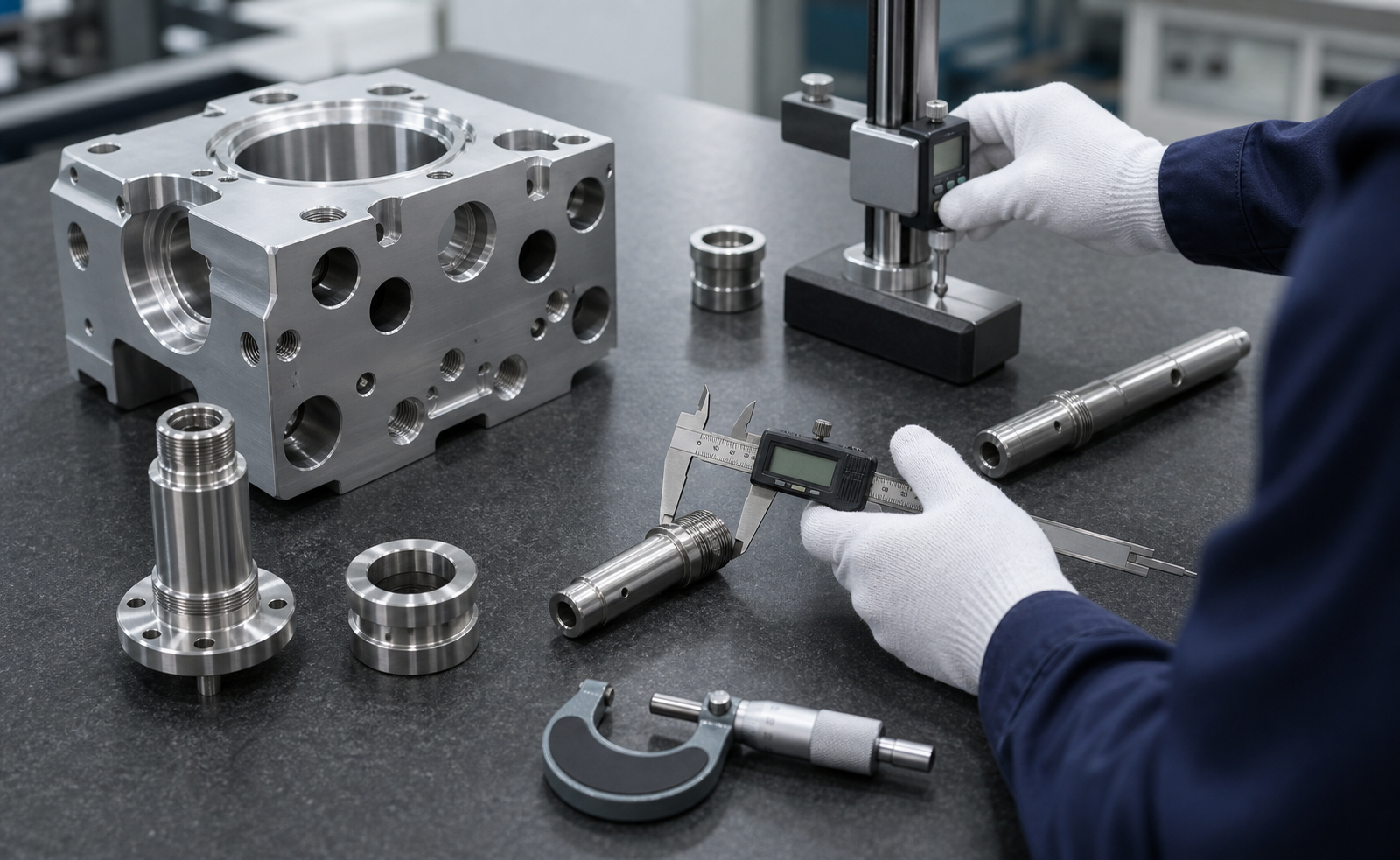
A part becomes a precision machining project when performance depends on a controlled relationship between critical features, not just a tighter general note on the title block. That usually means the RFQ has to show which bores, faces, diameters, positional features or sealing surfaces actually drive function. High precision CNC machining and tight tolerance CNC machining both depend on this kind of function-led definition instead of blanket tolerance tightening.
The strongest RFQs separate what must be held tightly from what only needs standard machining control. That protects cost, reduces requotes and helps precision metal machining and inspection plans stay aligned through the first build and later repeats.
Function-driven control
Tolerance logic tied to bearing fit, sealing, location or motion.
Inspection-driven release
Measurement points and documents defined before production starts.
Precision Control Matrix
The matrix helps buyers and engineers describe the part in a way that keeps machining, metrology and document scope synchronized from the start.
| Control area | What to define on the RFQ | Why it matters |
|---|---|---|
| Datum strategy | Primary, secondary and tertiary references plus any setup-sensitive faces | Stable datums reduce setup ambiguity and make inspection results more repeatable. |
| Critical dimensions | Feature-specific limits on bores, diameters, locating faces, patterns or fits | Separating critical from general dimensions prevents unnecessary cost and routing noise. |
| Geometric controls | Position, flatness, perpendicularity, concentricity or runout only where function requires them | GD&T is most useful when it reflects assembly, sealing or motion performance rather than formality alone. |
| Surface definition | Finish callouts on sealing, bearing, cosmetic or contact surfaces | Surface requirements affect toolpath choice, measurement scope and downstream processing. |
| Document requests | Material certs, dimensional report, FAI or inspection summary | Document scope changes quote review, inspection effort and acceptance expectations. |
Critical Feature Classes That Usually Trigger Precision Review
Bearing and rotating fits
Bores, journals, diameters and runout-sensitive surfaces that affect motion, wear or alignment.
Locating faces and patterns
Datum faces, dowel patterns and repeat-assembly features that drive position or stack-up control.
Sealing interfaces
Surface finish, flatness and concentric feature relationships that affect leakage or pressure performance.
Documented pilot builds
Parts that need dimensional evidence before they move into repeat low-volume or controlled release supply.
If these precision features sit inside a larger machining package, connect this review with the broader custom metal parts scope instead of treating them as isolated geometry.
Inspection Route and Repeatability Planning
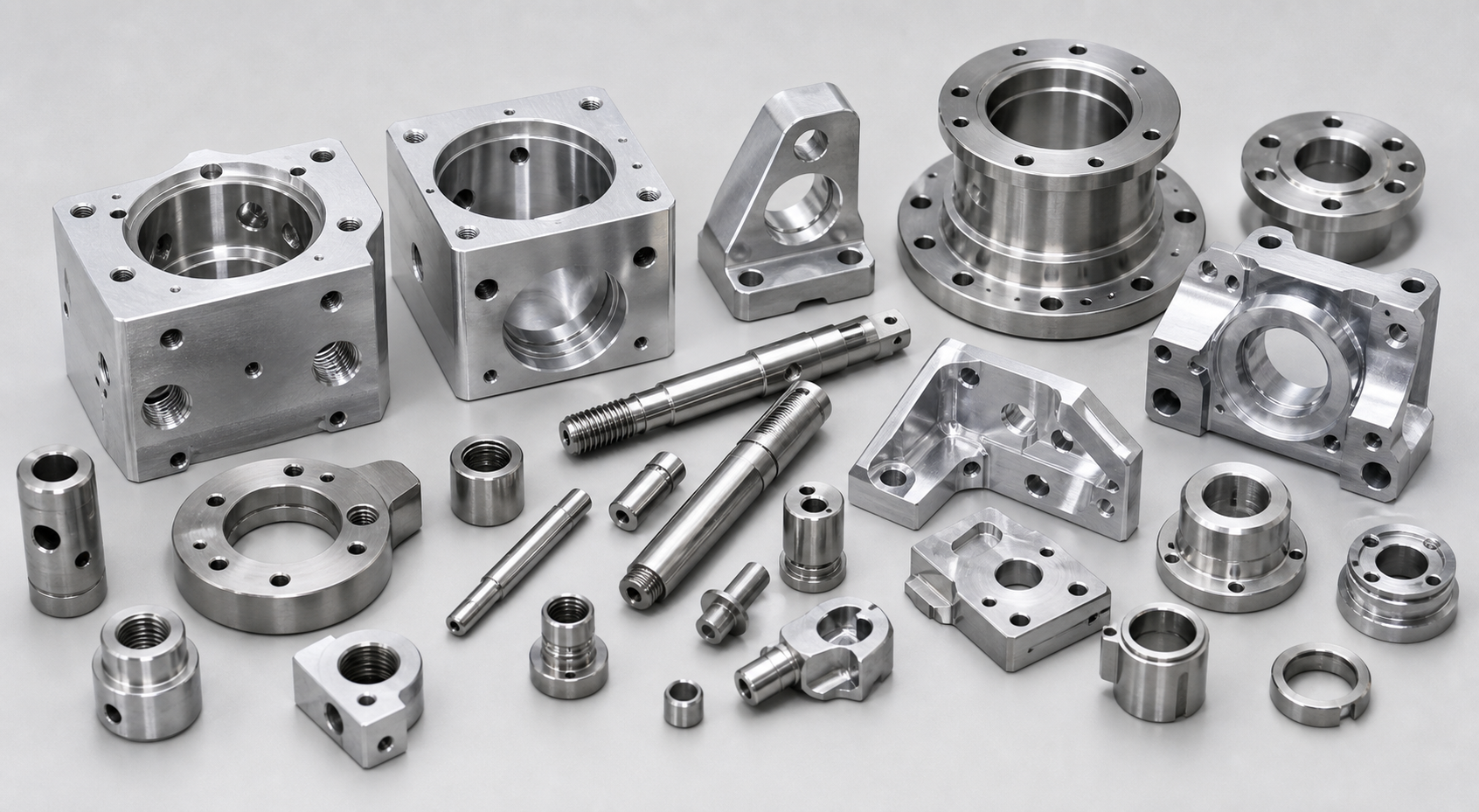
Measurement planning needs to follow the part function. For many RFQs, the key issue is not whether a report can be generated, but whether the report covers the right dimensions, from the right datum references, in a repeatable order. For related documentation paths, review quality control and inspection, material certificates and traceability and first article inspection.
- First build review: identify the dimensions and surfaces that must be validated before release.
- Repeat supply continuity: keep the critical-feature logic stable across prototypes, pilot builds and later repeats.
- Process-specific context: some features are turning-led, some are milling-led, but the inspection logic has to match the finished part, not the machine category alone.
- Document alignment: dimensional reports, FAI or cert requests should map to the same feature priorities shown on the drawing.
RFQ Checklist for Tight-Tolerance Machined Parts
| RFQ input | What to include |
|---|---|
| 3D model and controlled drawing | Model plus 2D drawing with datums, feature-specific tolerances, GD&T and finish notes where required. |
| Critical feature list | Mark the bores, faces, diameters, positions or sealing features that actually drive part acceptance. |
| Document package | Request material certs, dimensional report or FAI during quotation instead of after routing is set. |
| Process context | Call out whether the precision features are tied mainly to milling, turning or mixed-process routing. |
| Release stage | Note whether the build is prototype, pilot or repeat low-volume so review depth and document scope are aligned. |
If your tight-tolerance part is part of a wider component family, use the same drawing and inspection package for general machining review and final quote submission. This makes tight tolerance machining reviews cleaner when the precision features sit inside a larger OEM build.
Precision CNC Machining FAQ
What makes a part a precision machining project?
It becomes a precision project when function depends on controlled datums, fit-critical dimensions, geometric relationships or documented verification instead of only standard machining limits.
Should all dimensions be tightened on a precision part?
No. Only function-critical features should carry tight controls. Tightening every dimension raises cost and slows review without improving part performance.
When should GD&T be included in the RFQ?
Use GD&T when feature relationship matters more than size alone, especially for locating patterns, sealing faces, bores, position-sensitive interfaces and rotational alignment.
Can I request dimensional reports or FAI?
Yes. Add them during quotation so the machining and inspection plans reflect the right document scope from the beginning.
What files are best for precision machining RFQs?
A 3D model plus a controlled 2D drawing with datum logic, feature-specific tolerances, finish notes and document requirements is the strongest starting point.
Ready to review a tight-tolerance machining RFQ?
Upload the model and drawing with datums, fit-critical dimensions, finish notes and document requirements. If the part combines precision features with broader machining scope, we can review it through the same RFQ path while keeping the precision machining supplier review focused on the truly critical features.