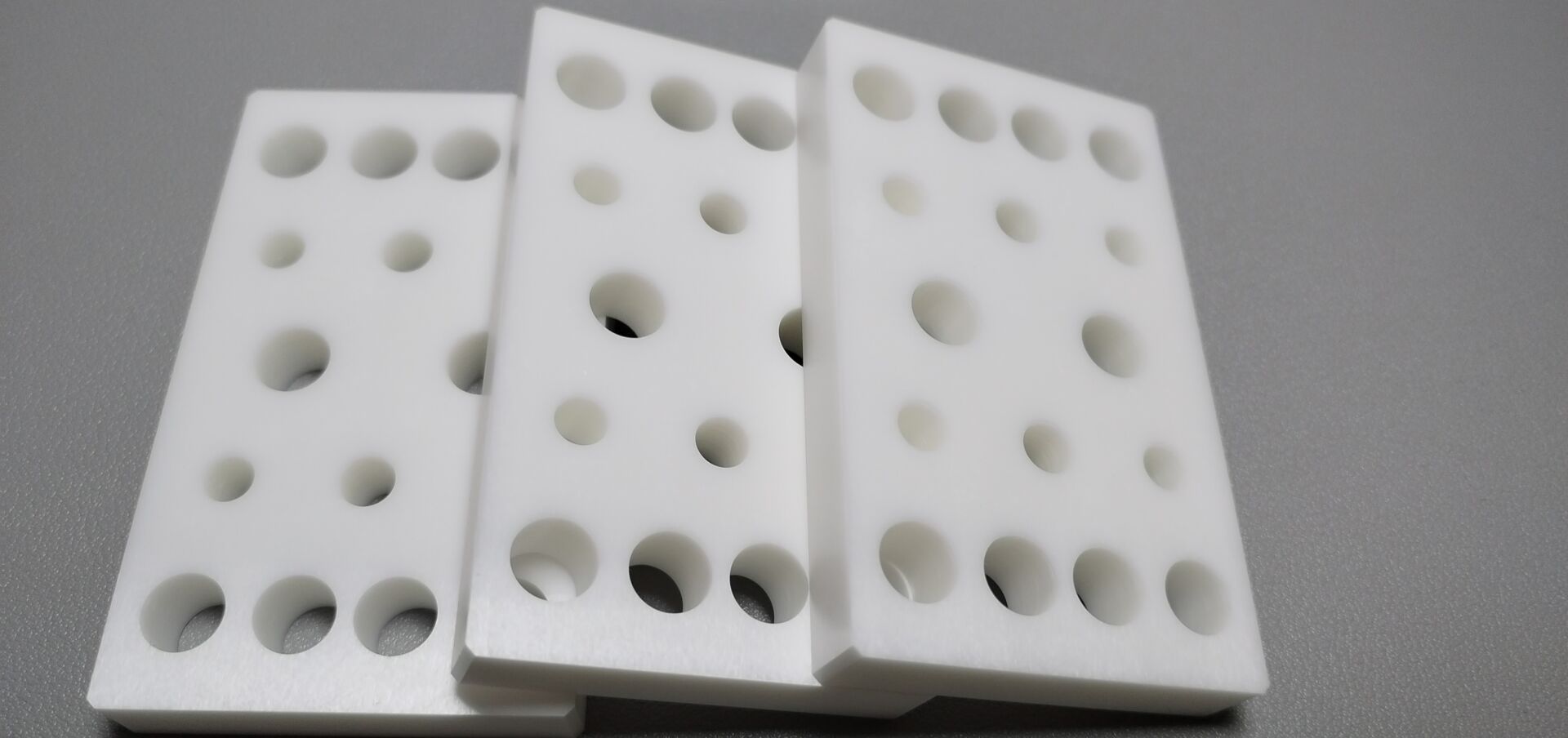
DATA CENTER HARDWARE PARTS
Data Center Sheet Metal Parts for Racks Cabinets Cooling Panels and Hardware
For buyers sourcing fabricated hardware around server racks, cabinet structures, airflow-management panels, cable-routing parts, mounting brackets and deployment-ready support hardware, the quote review depends on part family, thermal layout, rack-unit interface, installation access, finish path and repeat rollout control.
Most data-center hardware programs mix more than one process. A rack panel may be laser cut and formed, a support bracket may need inserted hardware, a vented cover may depend on perforation and powder coating, and grounding or support hardware may add machined or copper parts. Related capabilities include sheet metal fabrication, laser cutting services, custom metal brackets, electronics and heat sink parts, surface finishing and quality control.
Best Fit for These Data Center Programs
- Rack, cabinet and enclosure hardware that depends on perforation, formed geometry, hardware insertion, rack-unit fit and clean finishing
- Cooling and airflow components such as vented panels, blanking plates, shrouds, baffles and support covers for high-density server layouts
- Cable-management and mounting hardware that must install cleanly across deployment batches
- Mixed hardware programs that combine sheet metal, laser-cut formed parts, machined supports and copper-adjacent hardware
- Prototype and rollout RFQs that need part-family separation, revision control, QR or color labels, document control and destination planning
Send the rack zone, part family, finish route, quantity plan and packaging notes together for a cleaner review.
Rack and Cabinet Shells
Doors, side panels, covers, rails and enclosure frames usually start the hardware definition.
Airflow Hardware
Blanking panels, vented covers, perforated plates and shrouds affect cooling path and hole pattern detail.
Mounting and Routing
Brackets, trays, cable-management plates and support tabs are installation-driven and often revision-sensitive.
Deployment Control
Repeat rollouts need labeling, finish consistency, protected surfaces and packaging logic that stays stable across batches.
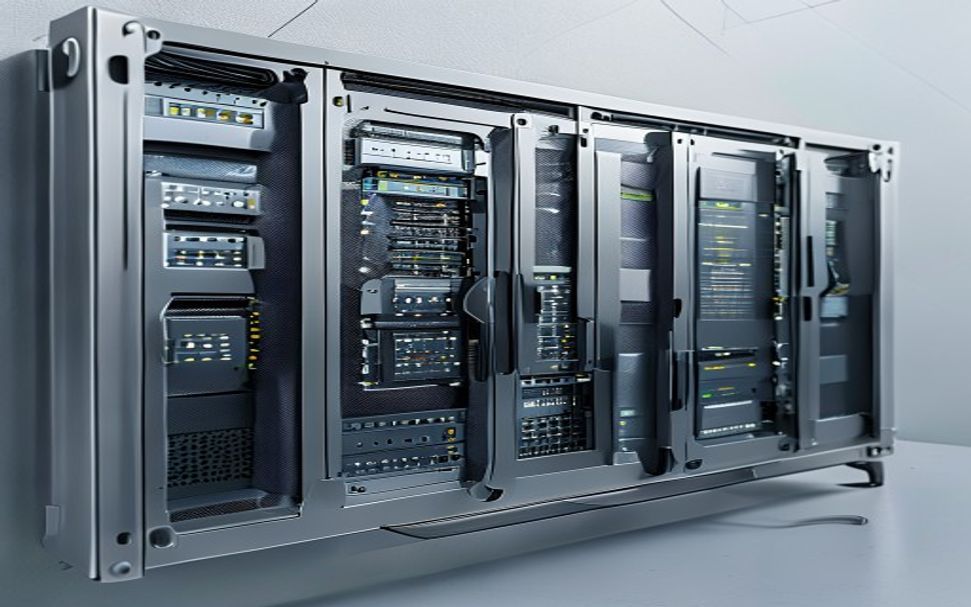
Where Data Center Hardware RFQs Usually Break Down
The revision loop usually starts when the RFQ only says “sheet metal enclosure parts” but does not separate airflow hardware from structural panels, cable-routing hardware from cosmetic covers, or rollout quantities from first-build quantities. Those differences change material thickness, perforation strategy, insert hardware, finish handling and packaging priorities.
Installation details matter even more on hardware that must fit server, power or cable-routing interfaces without slowing installation. A stronger quote package should include rack-unit position, EIA-310-style mounting hole expectations when relevant, open-area or perforation targets, cable pass-through zones and the labeling method required for site deployment.
Thermal path
Perforation pattern, open-area target, vent location, air baffles and blocked openings should be part of the drawing review.
Install access
Bracket orientation, cable entry, fastener reach and service clearance change part geometry quickly.
Batch consistency
Deployment batches often need stable finish color, rack or cabinet position labels, QR labels, packing sets and protected cosmetic faces.
Data Center Hardware Zone Matrix
Use the matrix below to separate hardware by system zone before the RFQ moves into pricing and rollout planning, especially when high-density or AI-server deployments make airflow, cabling and repeat installation details more sensitive.
| System zone | Typical parts | Usual process route | Review focus |
|---|---|---|---|
| Rack and cabinet shell | Doors, side panels, top covers, rails, frame covers and access plates | Laser cut, formed sheet metal, hardware insertion, finish | Flatness, hole pattern accuracy, hinge or latch interfaces and cosmetic-face protection |
| Airflow and cooling hardware | Blanking panels, vented covers, perforated shrouds, fan guards and divider panels | Perforated sheet metal, forming, deburring, powder coating | Open-area control, burr condition, edge safety and fit with cooling layout |
| Cable routing and install hardware | Cable plates, mounting brackets, trays, strap supports and retention tabs | Laser cut and formed parts, PEM hardware, welded studs | Installation sequence, bend direction, hardware insertion and service access |
| Power and support hardware | Busbar covers, grounding supports, copper-adjacent brackets, support plates and machined standoffs | Sheet metal plus machined or copper-related support components as needed | Conductive-path separation, coating restrictions, mating features and labeling control |
Process and Material Route by Component Family
Most data-center hardware programs are easier to quote when each component family is assigned to the process it actually needs rather than pushed into a single fabrication label. Structural cabinet hardware often belongs in formed sheet metal, install-sensitive brackets may need inserted hardware, support details may move into machined components, and conductive or protected zones may restrict finish choices.
For broader process support, related resources include sheet metal fabrication, laser cutting services, custom metal brackets, electronics and heat sink parts and material certificates and traceability.
| Component family | Typical material route | Finish or handling note |
|---|---|---|
| Exterior rack and cabinet panels | Steel or aluminum sheet depending on stiffness, weight and finish target | Color, scratch protection and visible-face consistency should be defined early |
| Perforated cooling parts | Sheet metal selected around open area, thickness and form stability | Deburring and coating thickness should not undermine airflow or fit |
| Mounting brackets and cable hardware | Laser-cut formed steel or aluminum with inserts, studs or tapped features as needed | Assembly orientation and hardware insertion rules belong in the drawing package |
| Support and conductive-adjacent parts | May combine sheet metal with machined supports or copper-related hardware | Coating restrictions, contact surfaces and protected edges should be called out directly |
Prototype, Pilot and Rollout Supply Path
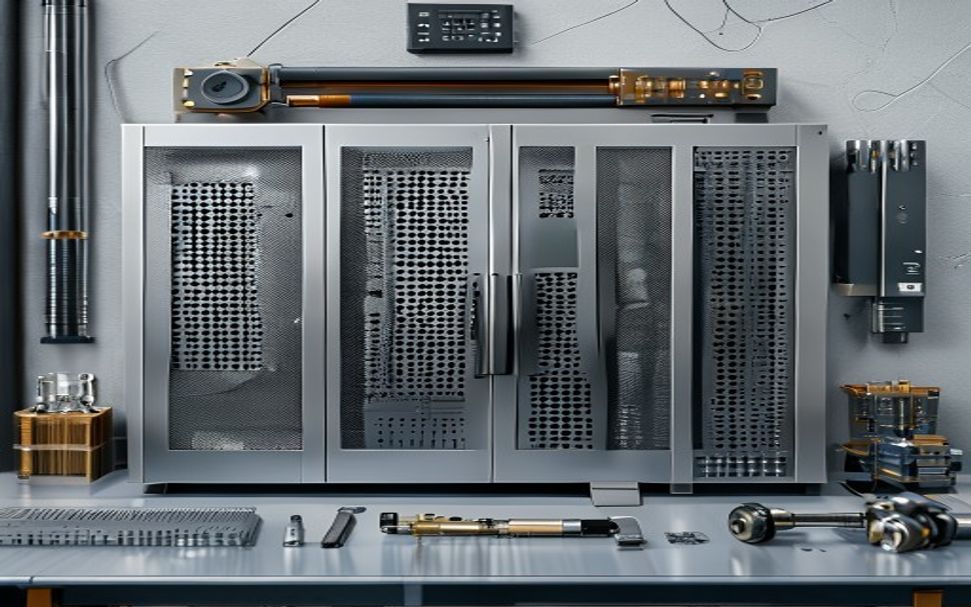
Data-center hardware usually moves from first-build validation into deployment batches quickly. The supply path gets easier when the RFQ separates prototype tolerances, first-install concerns and repeat rollout packaging from the start.
| Program stage | Typical buyer need | What should be locked before quoting |
|---|---|---|
| Prototype hardware set | Validate airflow, install access and core geometry around a new cabinet or rack revision | Critical dimensions, perforation intent, hardware insertion notes and finish direction |
| Pilot deployment batch | Build a controlled hardware set for first site or first customer deployment | Revision control, labels, packaging groups, visible-face rules and inspection scope |
| Repeat rollout supply | Maintain consistency across repeated batches and multiple installation schedules | Batch quantities, deployment cadence, replacement-part split and destination handling notes |
If the program is moving from prototype toward repeated deployment, pair the RFQ with our prototype to production guide and request a quote workflow.
RFQ Checklist for Data Center Hardware
| RFQ input | What to include |
|---|---|
| Part family split | Separate rack panels, vented parts, cable-routing hardware, supports and any conductive-adjacent parts instead of grouping everything as enclosure hardware. |
| CAD and drawing package | 3D model, controlled revision, bend notes, hole patterns, hardware insertion points and cosmetic-face direction. |
| Material and thickness | State sheet material, gauge or thickness, any stiffness priority and whether conductive or protected zones limit finish selection. |
| Thermal and cable-routing notes | Call out airflow openings, blocked zones, pass-through features, cable-entry geometry and service-clearance concerns. |
| Rack-unit and installation labels | Add rack-unit position, left/right orientation, cabinet or site code, QR or color label requirements and whether labels must survive coating, packing or field installation. |
| Finish and visible-surface rules | Color, coating type, visible-side quality, edge condition and protected surfaces during packing or installation. |
| Quantity and rollout handling | Prototype count, pilot batch, repeat rollout volume, packaging groups, rack or cabinet position labels, QR or color-code labels and destination country. |
If the drawing package still needs cleanup, pair the RFQ with our RFQ drawing guide and international shipping guide.
Data Center Hardware Parts FAQ
What kinds of sheet metal parts are common in data center hardware programs?
Common categories include rack panels, cabinet doors, vented covers, blanking panels, cable-management plates, mounting brackets, shrouds and other support hardware used around server and power infrastructure.
Do rack-unit dimensions or EIA-310 mounting patterns belong in the RFQ?
Yes. If the part interfaces with rack rails, shelves or cabinet mounting locations, include rack-unit position, mounting-hole pattern, hole spacing expectations and any fixed interface drawing so the hardware is reviewed against installation fit, not only flat part dimensions.
Which materials are common for data center hardware?
Buyers often compare steel and aluminum sheet for structural and visible hardware, then add machined supports or copper-related hardware only where the part family requires it.
When should a program separate sheet metal parts from machined supports?
Separate them when the geometry, installation interface, conductive handling or finish restriction is no longer well served by one broad fabrication route.
What finish issues should be called out early?
Visible-face quality, coating color, perforation edge condition, scratch protection and any conductive-contact restrictions should be called out before pricing review.
Why do rollout batches need different RFQ detail from prototypes?
Deployment batches often add label control, packaging groups, protected surfaces and consistency rules that are not fully visible in a first prototype build.
What extra details help with high-density or AI data-center hardware?
High-density deployments should call out open-area targets, airflow direction, hot/cold aisle containment interfaces, cable-bundle clearance, label strategy and any protected cosmetic or conductive-contact surfaces.
Can one RFQ cover panels, brackets and airflow hardware together?
Yes, but it should split the part families clearly so the process route, finish path and inspection focus for each group are not blurred together.
Need a cleaner RFQ for data center hardware?
Upload the drawings with the part-family split, material thickness, rack-unit or mounting interface, perforation/open-area notes, cable-routing constraints, finish route, labeling method and rollout quantity plan. If the program still mixes rack panels, vented parts and install hardware in one package, note that directly so the review starts from the right structure.