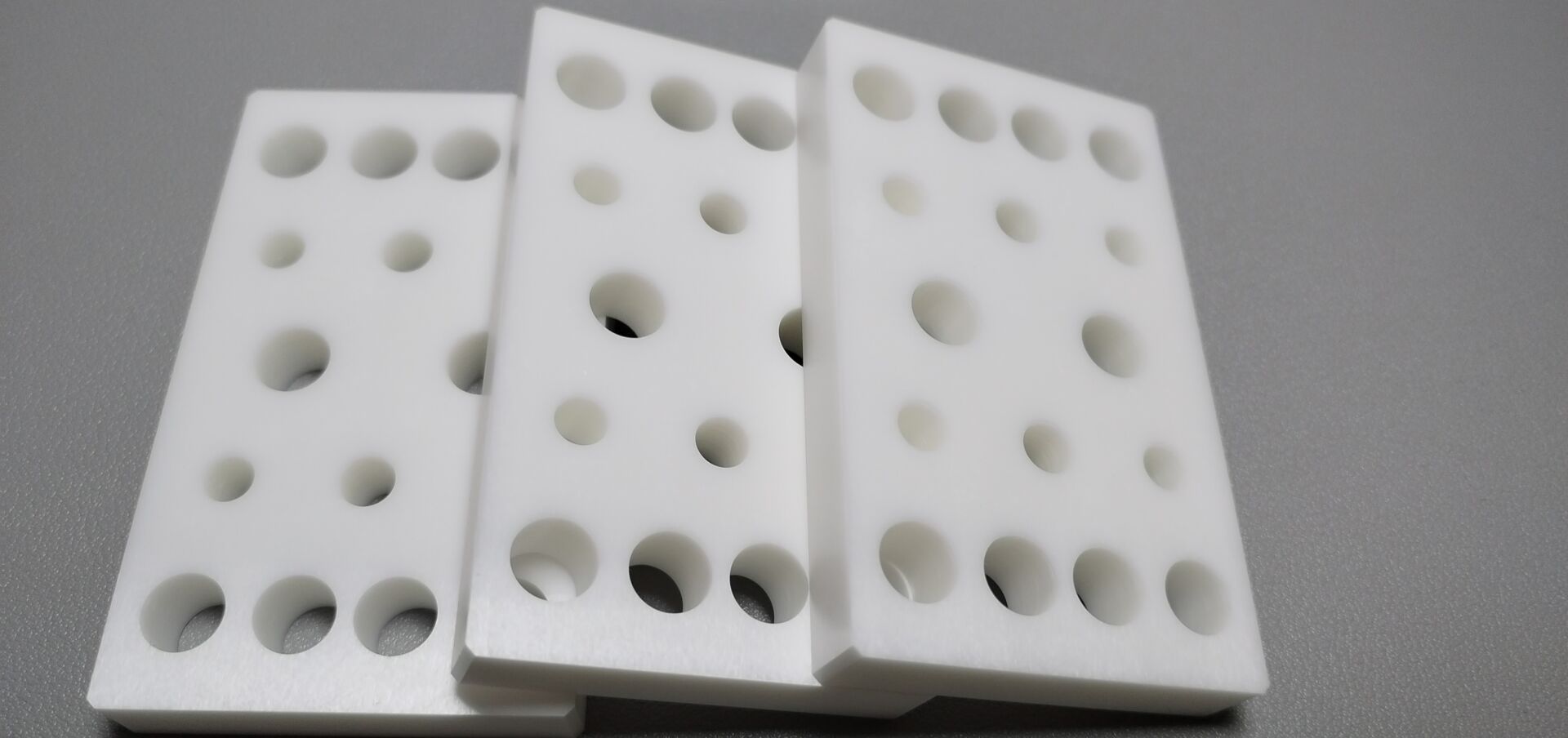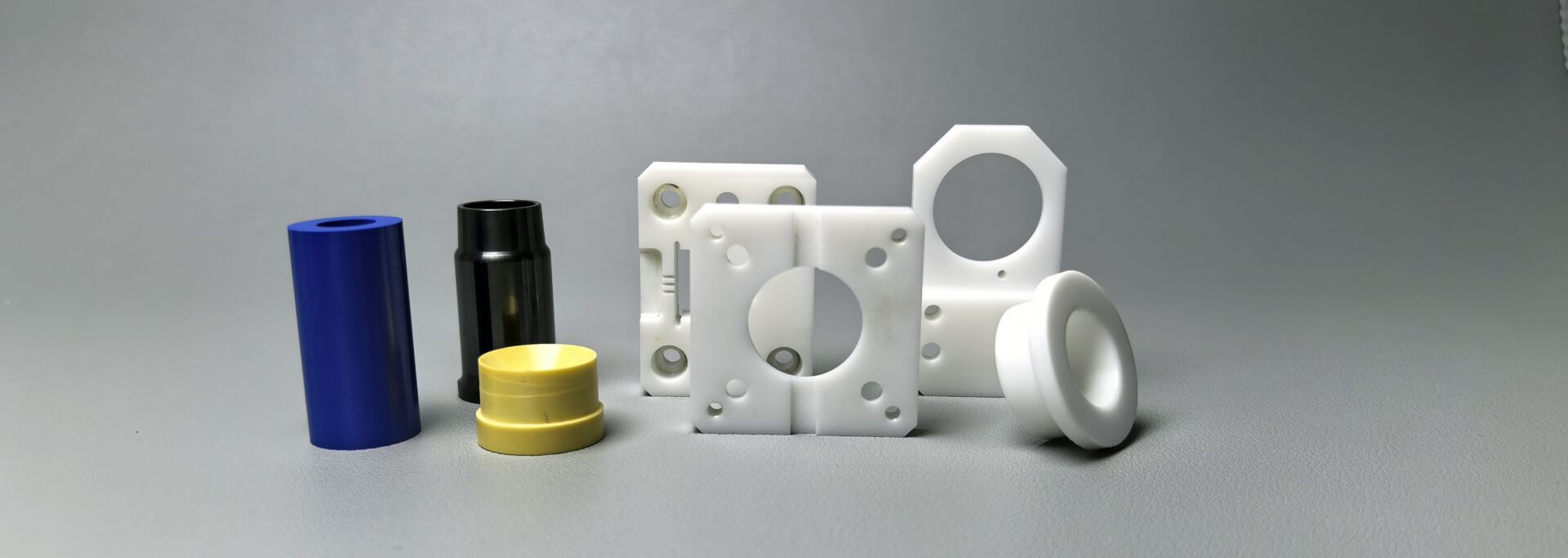
SEMICONDUCTOR FIXTURES MACHINING
Semiconductor Fixtures Machining for Alignment Plates, Nests and Tooling Hardware
Semiconductor tooling buyers are usually not sourcing generic machined plates. They are sourcing alignment fixtures, nest plates, vacuum fixtures and support hardware that affect positioning repeatability, clean handling, assembly accuracy and downstream yield protection.
Review the common semiconductor fixture types that benefit from CNC machining, how material and handling choices affect tooling behavior, and what should be included in a fixture RFQ. When the drawing package is ready, continue to Request a Quote. For supporting capability paths, connect with precision CNC machining, quality control and inspection, first article inspection and industrial equipment parts.
Semiconductor fixture RFQ essentials
- Fixture role: alignment plate, nest, vacuum fixture, carrier support or inspection tooling
- Critical datums, dowel holes, flatness, parallelism or repeat locating requirements
- Material, handling-sensitive surfaces and any ESD-aware or cleanliness notes
- Assembly interfaces, inserts, bushings, ports or vacuum channels
- Prototype tooling, pilot tooling or repeat production quantity
- Any need for FAI, dimensional report or material certificates
| Primary CTA | Quote fixture project |
| Best fit | Semiconductor equipment teams, tooling engineers and sourcing groups |
| Linked pages | Precision machining, inspection support, traceability and CAD upload |
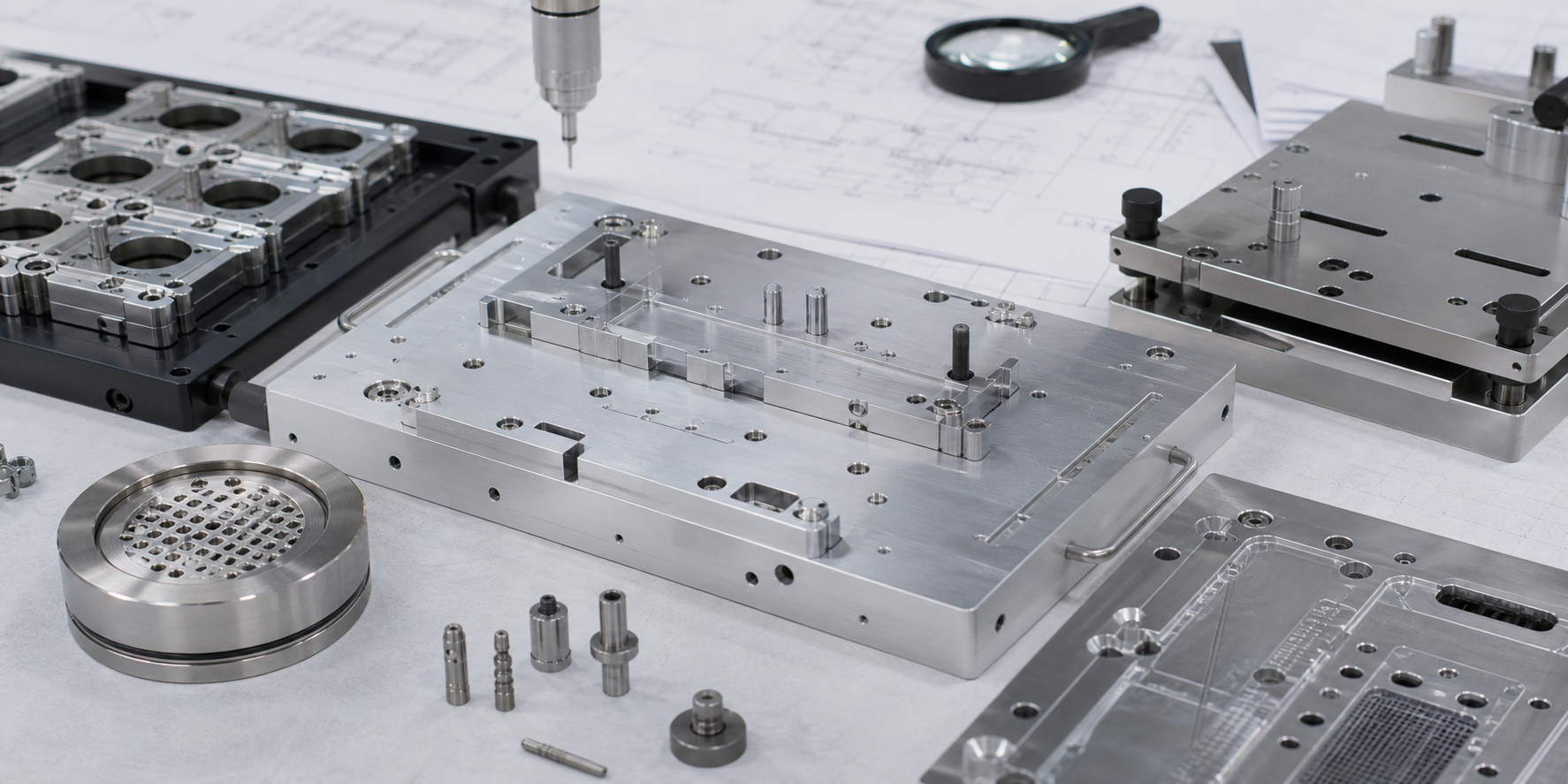
Semiconductor fixtures are judged by repeat positioning and handling stability, not by shape alone
The stronger tooling pages in search results all point to the same buyer concern: a fixture plate that looks simple can still fail in use if the datum logic, dowel-hole relationship, vacuum path, insert strategy or handling surface is unclear. A nest for delicate components, an alignment plate and an inspection fixture do not carry the same machining priorities.
Semiconductor tooling is best organized by fixture family and use role rather than by generic machining process alone. This helps engineering teams and sourcing teams define what to upload, what to control and what to ask for before the quote is built.
- Alignment tooling often prioritizes flatness, parallelism and repeat locating geometry
- Nest plates and carriers depend more heavily on stable interfaces, dowel placement and part seating logic
- Vacuum or ported fixtures need controlled channel features and sealing-aware surfaces
- Handling-sensitive tooling benefits from early material and surface-state decisions instead of late changes
Typical semiconductor fixture types that benefit from CNC machining
Many pages mention semiconductor precision in general but do not help the buyer sort the tooling families. This matrix makes the page more useful during RFQ preparation.
| Fixture family | Typical role | Common materials | Key machining concern |
|---|---|---|---|
| Alignment plates and tooling bases | Set repeatable reference surfaces and mounting relationships | Aluminum, stainless steel | Flatness, hole position, dowel alignment and stable datum relationships |
| Nest plates and carrier tooling | Locate delicate parts repeatedly during assembly, testing or inspection | Aluminum, engineering plastics, mixed insert assemblies | Part seating logic, localized contact features and repeat location accuracy |
| Vacuum or ported fixtures | Hold thin, delicate or flat parts with controlled interface pressure | Aluminum, stainless steel, selective sealing components | Channel geometry, sealing faces, port features and surface quality |
| Inspection and metrology fixtures | Support repeat measurement and alignment checks | Aluminum, stainless steel, stable insert-based assemblies | Reference repeatability, mounting geometry and low-distortion features |
| Prototype and pilot tooling | Support process development before more stable repeat tooling is locked in | Material selected by function, speed and handling needs | Revision flexibility, fast feature updates and dimensional consistency between iterations |
Material and handling choices for semiconductor fixtures
Semiconductor tooling often forces more tradeoffs than standard industrial fixtures. Mass, stability, handling sensitivity, surface contact and particle-conscious design can all matter at once.
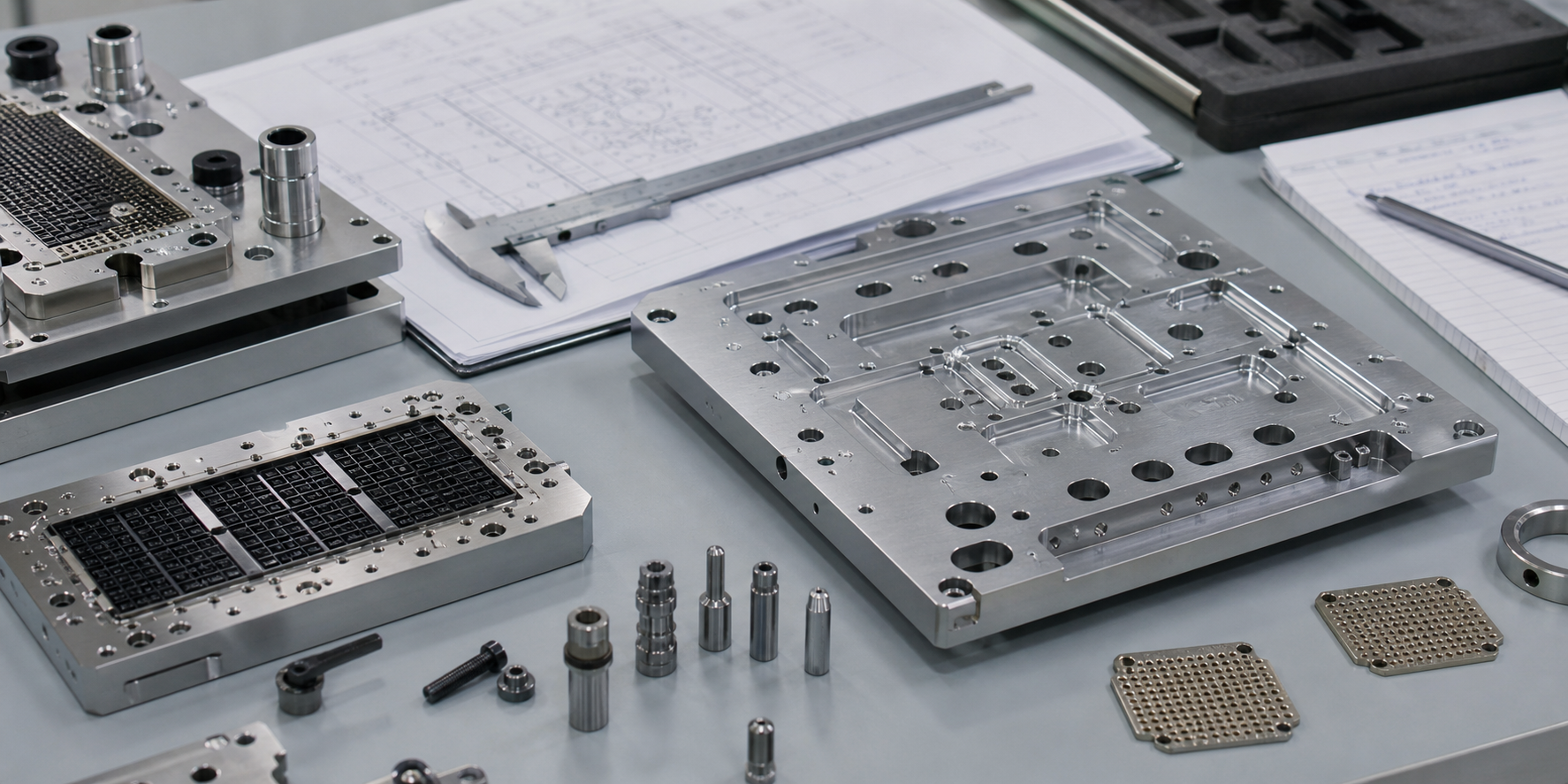
What matters most is usually the repeatability stack behind the tool
A semiconductor fixture can fail review even when the geometry is simple. The missing piece is often the repeatability stack: unclear datum relationships, unstable dowel patterns, unplanned insert changes, insufficient flatness control or weak revision logic between tooling iterations.
- Alignment and nest tooling usually depend on stable dowel-hole and mounting relationships
- Vacuum or channel-based fixtures need more deliberate face and interface planning than standard plates
- Inspection tooling becomes more useful when the reference surfaces are intentionally defined in the RFQ
- Prototype and pilot tooling benefit from clear revision notes so changes do not break repeat positioning
If the tool already has CTQs, call them out clearly in the RFQ and request the right level of inspection support, first article inspection or traceability support.
Prototype to repeat tooling workflow
- Prototype tooling: validate fixture concept, seating logic and access features
- Pilot tooling: tighten datum strategy, locating features and assembly interfaces
- Repeat tooling: stabilize document package, part acceptance and fixture-to-fixture consistency
This gives tooling buyers a clearer bridge from early fixture development into more repeatable production support hardware.
What to include in a semiconductor fixture RFQ
| RFQ input | What to include |
|---|---|
| CAD model and drawing | Upload the current revision with critical datums, dowel holes, vacuum features, inserts, flatness notes and mounting interfaces. |
| Fixture role | State whether the tool is an alignment plate, nest, inspection fixture, carrier support or vacuum fixture. |
| Material and handling notes | Call out aluminum, stainless steel, engineering plastics or mixed insert routes plus any handling-sensitive or ESD-aware notes. |
| Tooling stage | Clarify prototype tooling, pilot tooling or repeat production support so the quote reflects the actual control level. |
| Document requirements | Add dimensional report, first article, material cert or traceability needs in the first RFQ, not after quotation. |
| Project notes | Include destination, revision sensitivity, mating tool context and any access or assembly constraints. |
Frequently asked questions
What semiconductor fixtures are commonly CNC machined?
Common examples include alignment plates, nest plates, vacuum fixtures, carrier supports, inspection tooling and fixture bases with dowel or insert features.
What materials are common for semiconductor fixture machining?
Aluminum and stainless steel are common for structural tooling, while engineering plastics or inserts may be used in part-contact areas when different handling behavior is needed.
Do semiconductor fixtures always need ESD-safe or clean-handling features?
Not always, but if the tool depends on grounding paths, controlled contact surfaces or handling-sensitive interfaces, those notes should be explicit in the RFQ.
What tolerances matter most for semiconductor fixture plates?
The most important controls are usually tied to function: flatness, parallelism, dowel-hole location, mounting-hole position and repeat locating geometry.
Can CNC machining support prototype and repeat semiconductor tooling?
Yes. CNC machining is commonly used for both early tooling iterations and repeat support hardware when the RFQ defines the right dimensional and document expectations.
Why should the fixture role be included in the RFQ?
Because an alignment plate, nest, inspection tool and vacuum fixture each depend on different control priorities even when the geometry looks similar.
Quote the fixture together with the positioning and handling logic
Semiconductor fixtures should be quoted with datum strategy, fixture role, material, handling notes and document expectations. Use the RFQ page to submit the drawing package so machining, inspection and material decisions can be aligned from the start.