AEROSPACE CNC MACHINING
Aerospace CNC Machining Services for Precision Aluminum Titanium and Complex Parts
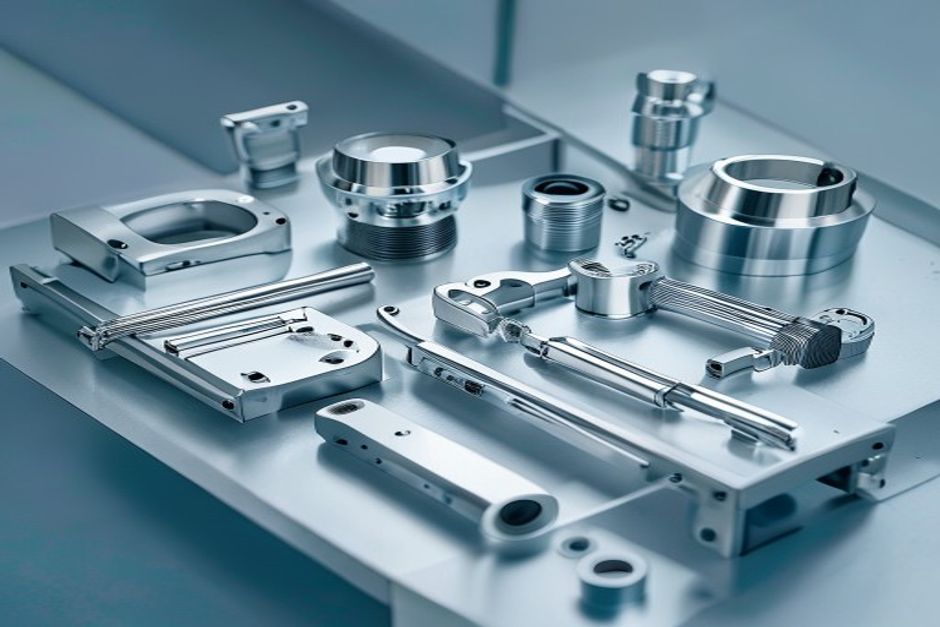
Aerospace buyers and engineers can review whether a machining supplier can support complex brackets, housings, manifolds, structural fittings and other precision metal parts with the documentation discipline required for prototype, bridge and repeat low-volume supply.
The buying decision is rarely about machining alone. It usually depends on material familiarity, geometry risk, inspection flow, traceability expectations and how clearly the RFQ package defines the part. For broader process and quality support, connect the aerospace review with our precision CNC machining, 5-axis CNC machining, quality control, material certificates and traceability and first article inspection pages.
Best Fit for These Aerospace Programs
- Complex milled and turned metal parts where geometry, finish and inspection all matter
- Aluminum, titanium and stainless programs needing close control on wall thickness, datums and mating features
- Prototype, bridge and repeat low-volume aerospace supply where documentation cannot be added at the last minute
- Buyers preparing part families such as brackets, housings, manifolds, structural fittings and tooling plates
- RFQs that need material, finish, dimensional report and destination requirements aligned before release
Send the drawing, material grade, quantity, critical dimensions, document request and destination country together for faster review.
Geometry Fit
Complex milled pockets, thin walls, multi-face datums, turned diameters and tight mating features need to be reviewed before the quote is locked.
Material Scope
Aerospace RFQs often center on aluminum, titanium and stainless grades where machinability, burr control and finish response differ sharply.
Document Flow
Material certs, dimensional reports and first article requirements should be defined before production planning starts.
Supply Mode
The page is structured for prototype, bridge and repeat low-volume aerospace builds rather than only one-off sample machining.
What Aerospace CNC Machining Buyers Need to Confirm Early
Aerospace machining projects usually become difficult when part complexity, material selection and documentation are handled in separate steps. Buyers get better outcomes when the RFQ defines the geometry risk, required material grade, finish path and inspection package from the start.
That is especially true for aluminum and titanium parts with thin walls, deep pockets, threaded features, sealing faces or multiple datums. The question is not only whether the part can be machined. It is whether the geometry, tolerance stack, part family and report requirement are aligned with the intended prototype or repeat supply path.
Part-driven review
Bracket and housing programs need a different review path than manifolds, shafts or tooling plates.
Document-driven review
If FAI, material certs or dimensional reporting are required, they should be attached to the part plan before release.
Aerospace Part Family Matrix
This matrix helps buyers connect part category, likely process path and documentation focus before the RFQ is issued.
| Part family | Typical materials | Common geometry challenge | Review focus |
|---|---|---|---|
| Structural brackets and fittings | Aluminum and titanium grades | Weight reduction, pocket depth, edge condition, hole location | Datum flow, burr control, finish callout and critical hole reporting |
| Machined housings and covers | Aluminum and stainless | Thin walls, sealing faces, threaded ports, cosmetic face protection | Flatness, sealing surfaces, tapped features and finish masking |
| Fluid blocks and manifolds | Aluminum, stainless and specialty alloys | Cross-holes, internal passages, leak-sensitive geometry | Port location, deburr access, sealing surfaces and inspection plan |
| Actuator shafts and turned parts | Stainless, alloy steel and titanium | Concentricity, bearing fits, thread quality, surface finish | Critical diameters, edge break, finish and report requirements |
| Fixtures and tooling plates | Aluminum, steel and stainless | Position accuracy across many features and repeated mounting interfaces | Coordinate accuracy, repeatability and revision control |
Materials and Geometry Challenges
Aerospace RFQs often move between lightweight aluminum structures, higher-strength titanium features and stainless hardware or housings. Those materials do not behave the same in machining, deburring or finishing, and the page should help buyers define that difference before production review begins.
| Focus area | Why it matters in aerospace RFQs |
|---|---|
| Thin walls and pockets | Wall deflection, chatter risk and cosmetic damage all increase when lightweight geometry is pushed aggressively. |
| Titanium heat and tool load | Tool pressure, heat control and cycle strategy affect part integrity and repeatability. |
| Threads and sealing faces | Tapped features, O-ring faces and mating surfaces need finish and deburr rules defined early. |
| Multi-datum inspection | Complex parts often need the inspection plan aligned to the functional datums, not only nominal dimensions. |
Where the material path is still being selected, compare the quote package with aluminum CNC machining, titanium CNC machining and stainless steel CNC machining.

Quality and Documentation Workflow
For aerospace machining, documentation is part of the manufacturing plan, not a final attachment. Buyers should define material certificates, first article expectations and dimensional reporting at the same time they define geometry, finish and quantity.
1. RFQ review
Check drawing completeness, critical dimensions, material grade and document requests.
2. Planning
Align process route, datum strategy, finish path and report scope before release.
3. Inspection
Measure critical dimensions, feature relationships and part-family specific checkpoints.
4. Shipment pack
Bundle the requested material and inspection documents with the release package.
If the program requires deeper review, connect the first lot release with quality control, material certificates and traceability and first article inspection.
Prototype to Repeat Supply Path
| Program stage | Typical buyer need | What should be locked in the RFQ |
|---|---|---|
| Prototype | Fast geometry validation and material confirmation | Critical dimensions, material grade, finish direction and visible engineering risks |
| Bridge build | Stable revision control and documentation handoff | Inspection package, part marking, packaging notes and repeatability targets |
| Repeat low-volume supply | Consistent dimensional output and document continuity | Lot traceability, final report scope, destination requirements and release criteria |
For mixed programs where parts move from design validation into scheduled supply, connect the aerospace part plan with our prototype to production guide and request a quote workflow.
RFQ Checklist for Aerospace Machined Parts
| RFQ input | What to include |
|---|---|
| CAD and drawing package | 3D model, controlled drawing revision, critical dimensions and any assembly context that affects the part. |
| Material definition | Material family, grade, temp or condition and whether material certificates are required. |
| Process route | Milling, turning, 5-axis, secondary operations and any finish requirement already known. |
| Critical features | Thin walls, sealing faces, bearing fits, tapped holes, cosmetic faces and datums that drive inspection. |
| Inspection documents | State whether you need FAI, dimensional report, material certs or other lot documents. |
| Quantity and delivery | Prototype quantity, repeat volume expectation, target lead time and destination country. |
If the RFQ is still being assembled, pair the drawing package with our RFQ drawing guide and international shipping guide to reduce review loops.
Aerospace CNC Machining FAQ
What kinds of aerospace parts fit CNC machining best?
Common fit categories include brackets, housings, manifolds, structural fittings, shafts and precision tooling plates where geometry accuracy and material control matter.
Which materials are common in aerospace CNC machining?
Buyers often review aluminum, titanium and stainless programs first, then add steel or specialty alloys depending on the part function and environment.
Can complex thin-wall aerospace parts be quoted from the drawing alone?
They can be reviewed faster when the RFQ also highlights critical walls, sealing faces, datum strategy and the dimensions that truly control function.
What documents are usually requested with aerospace machined parts?
Typical requests include material certificates, first article inspection and dimensional reports tied to the drawing or release package.
What should I include in an aerospace machining RFQ?
Send the model, controlled drawing revision, material definition, quantity, finish path, critical feature notes, document requests and destination country.
How should prototype and repeat supply be handled differently?
Prototype lots usually focus on geometry and material validation, while repeat supply adds tighter revision discipline, documentation continuity and release controls.