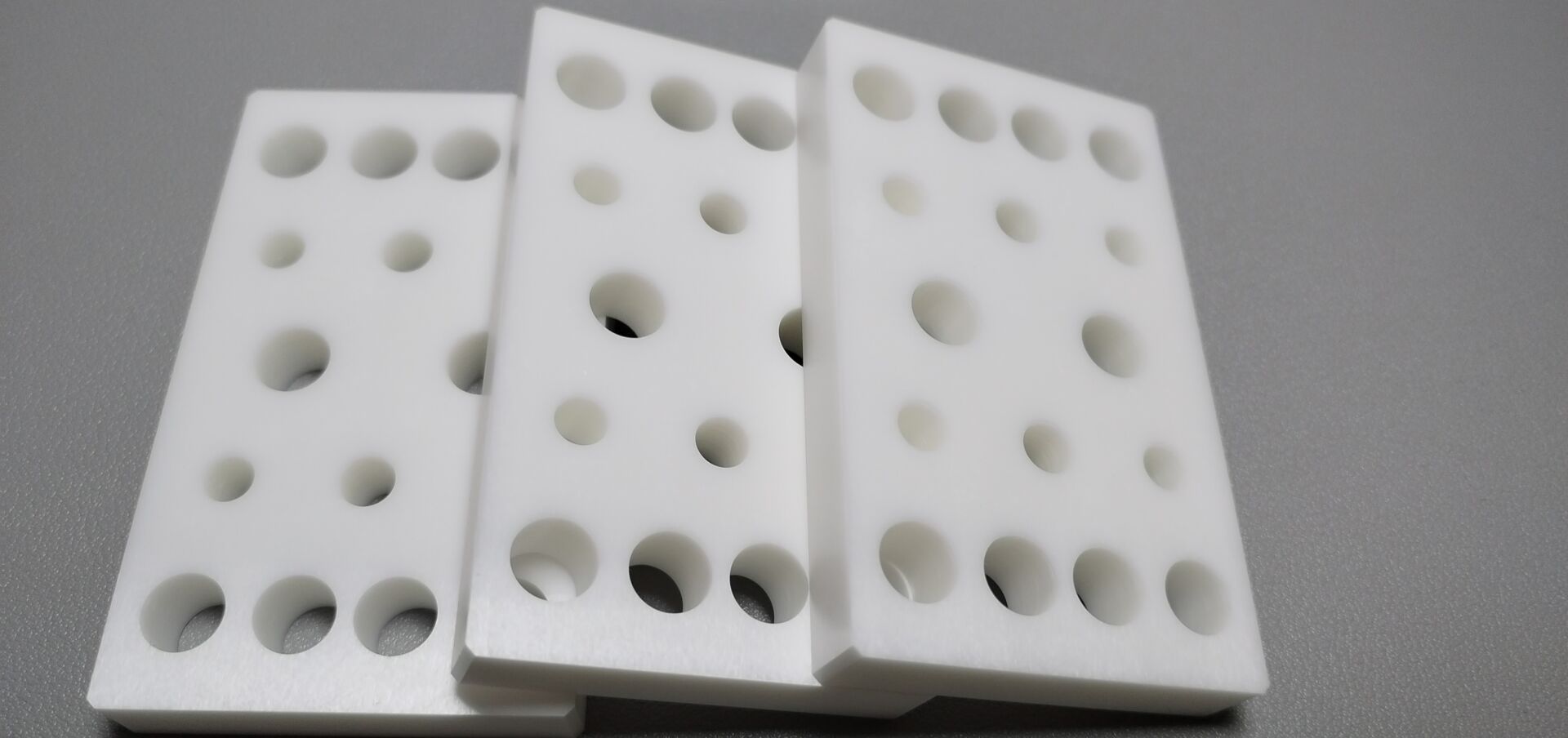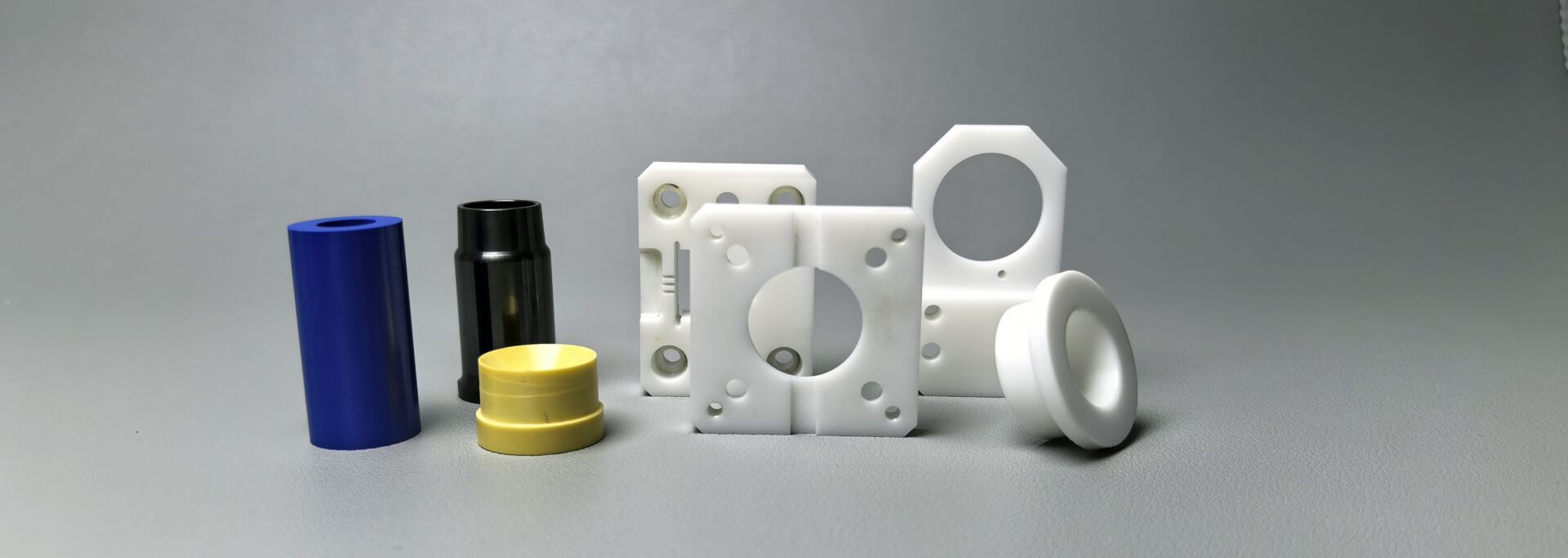
Parts Gallery / Fixtures & Tooling Plates
Custom Machining Fixtures and Tooling Plates for Workholding Inspection and Repeat Setups
Fixtures are rarely purchased as simple machined plates. Buyers usually care about what the fixture does in the setup: locate the part, control datum repeatability, give clamp access, shorten changeover, hold inspection references or support several part variants without rebuilding the entire setup.
Review quote-ready custom machining fixtures, tooling plates and repeat-setup hardware for production, inspection and automation use. Compare common fixture families, how locating and clamping features change the machining route, when a modular tooling plate is enough and what should be uploaded when you need a similar fixture quoted. For broader support, connect with CNC milling services, precision CNC machining, custom metal parts and RFQ support.
Fixture RFQ essentials
- Fixture role: production workholding, inspection fixture, base plate, tombstone face, modular plate or dedicated nest
- Part datums, locating logic and the features that define repeat setup accuracy
- Any dowel holes, bushings, tapped grids, zero-point or quick-change interfaces, vacuum zones, clearance pockets, soft-jaw areas or clamp-swing requirements
- Plate material, flatness expectations and whether wear areas need inserts or harder components
- Quantity stage: prototype, pilot setup, repeat production or multi-station rollout
- Any need for FAI, CMM checks, datum verification or inspection support
| Primary CTA | Upload fixture drawing |
| Best fit | Engineering teams sourcing repeatable setups, custom nests or tooling plates for OEM parts |
| Related pages | Milling, precision machining, aluminum or stainless materials, inspection and RFQ support |
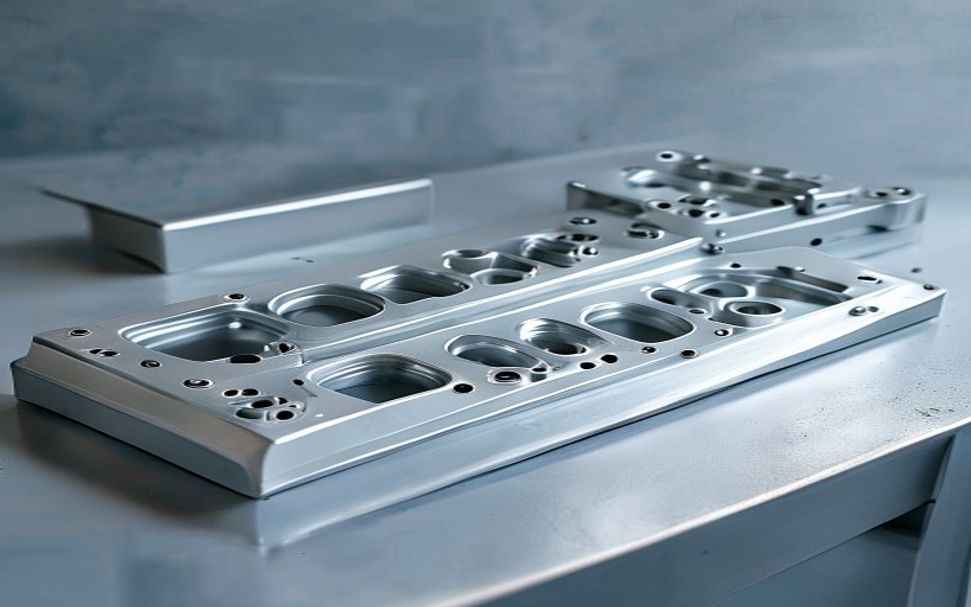
Fixture sourcing starts with setup logic, not just plate geometry
Fixture sourcing needs a more specific answer than a broad machining example. Buyers are not only buying a machined body. They are buying a setup tool that has to locate, hold, clear, repeat and sometimes inspect a part reliably over several runs or several operators.
That changes the quote logic. A plate with a tapped hole grid is very different from a dedicated part nest with dowel positions, swing-clamp clearance, bushing locations and a datum structure tied to inspection. Both may be milled from plate, but the engineering review is not the same.
- Fixture value usually comes from repeatability, not from the raw plate alone
- Locating features and clamp access often define the critical geometry
- Modular tooling plates and dedicated nests solve different setup problems
- Inspection fixtures need a clearer datum strategy than simple workholding plates
Typical custom fixture and tooling-plate families
Fixture buyers usually move faster when the page helps them map the setup to a familiar fixture family before they upload the package.
| Fixture family | Typical role | Common materials | What usually matters most |
|---|---|---|---|
| Dedicated machining nests | Hold one part family in a repeat orientation for machining, trimming or assembly steps | Aluminum tooling plate, steel inserts, stainless wear features | Datum repeatability, clamp clearance, chip evacuation and tool access |
| Modular tooling plates | Provide a repeat grid for changing part nests or multiple setup variations | Aluminum and steel plate | Hole-grid logic, flatness, insert strategy and fast changeover |
| Base plates and subplates | Support vises, nests, clamps or modular workholding systems on the machine table | Aluminum tooling plate, steel | Mounting pattern accuracy, flatness and machine-interface alignment |
| Inspection fixtures | Locate parts consistently for dimensional checks, gauge reads or CMM workflows | Aluminum, steel, selected wear inserts | Datum control, probe clearance, low-distortion support and repeat positioning |
| Tombstone and multi-face fixture plates | Carry several part setups or several working faces on one base structure | Aluminum and steel | Face-to-face alignment, rigidity, access for several operations and changeover planning |
Which machined features usually define the fixture route
The machining route is shaped by locating and clamping features as much as by the outside plate size. A fixture quote should show which features control repeat loading, which features carry wear, and which surfaces need inspection reference.
| Feature type | What it usually does | Why it matters to the quote |
|---|---|---|
| Dowel and locating holes | Establish repeat position and fixture datums | Location accuracy and hole relationship often become the core inspection points |
| Tapped grids and modular hole patterns | Allow flexible mounting of clamps, nests or setup accessories | Large patterned drilling and threading can dominate process time |
| Zero-point and quick-change interfaces | Tie the fixture plate to a receiver, subplate, pallet or repeatable machine-table position | Receiver spacing, pull-stud clearance and datum transfer should be reviewed before machining the grid |
| Clearance pockets and reliefs | Make room for clamps, cutters, chips or part geometry that should float free | Pocket depth and wall logic affect rigidity and cycle time |
| Bushings, inserts and wear features | Protect high-contact or high-cycle fixture zones | Changes material mix, assembly steps and maintenance logic |
| Inspection datums and probe access | Support reliable dimensional verification and repeat checks | Often drives clearance, support points and how the fixture is actually qualified |
If the part setup depends on only a few critical locating features, mark those clearly on the drawing so the fixture review centers on the real repeatability drivers instead of treating the whole plate as equally critical.
Fixture details that should be clear before quoting
A fixture drawing package is strongest when it shows the setup purpose, not only the machined plate geometry.
When a modular tooling plate is enough and when a dedicated fixture is better
The best fixture route depends on setup stability and how often the part family changes. That is why a quote package should separate reusable base-plate logic from dedicated nest logic.
| Approach | Best fit | Tradeoff |
|---|---|---|
| Modular tooling plate | Part families that change often, share a common grid or need rapid setup swaps | More flexible, but may need added nest components to reach the same control as a dedicated fixture |
| Dedicated custom fixture | Stable part geometry, higher repeat volume or setups where location and clamp sequence are tightly controlled | Usually stronger repeatability, but less flexible when the part revision changes |
If the team is still changing the part interface or clamp strategy, describe that in the RFQ. A modular base with dedicated nests may be a better step than locking into one rigid fixture body too early. For repeat production cells, also note whether the fixture will mount to a subplate, tombstone, zero-point receiver or CMM fixture plate so the hole pattern and clearance strategy can match the real setup.
Fixture DFM and cost drivers
- Large plates with many tapped holes but no clear priority zones or grid coordinate references
- Several locating features stacked across different faces without a clean datum chain
- Clamp paths that collide with tools, chips or part loading access
- Deep pockets that reduce stiffness near high-contact fixture points
- Wear zones that should use inserts or bushings but are left as raw plate material
- Inspection requirements such as first article inspection, CMM fixture-plate checks or quality-control review without clear datum references
A fixture quote gets stronger when the package shows the part orientation, locating scheme, clamp direction and which surfaces are truly responsible for repeat setup performance.
Related fixture, machining and inspection paths
Fixture projects often connect to the part family being held, the milling route used to machine the plate, and the inspection records needed to prove repeat setup performance.
Sample fixture application patterns
These are shown as sample fixture patterns so buyers can match their own setup need quickly.
Frequently asked questions
What types of custom machining fixtures are commonly made?
Common examples include dedicated part nests, modular tooling plates, subplates, inspection fixtures, base plates and multi-face setups used for repeat workholding or setup validation.
When is a tooling plate better than a fully dedicated fixture?
A tooling plate is often better when the setup changes often, several nests share a common grid, or the team wants quick-change fixture swaps without replacing the whole base structure. Include the subplate, receiver or machine-table interface if it controls the mounting pattern.
Which materials are common for machining fixtures?
Aluminum tooling plate is common for lighter and changeable fixtures, while steel or wear inserts are more common where contact durability, stiffness or bushing support matters more.
What should be included on a fixture drawing for quote?
Include the part orientation, datum scheme, locating and clamping features, hole-grid logic, material, critical flatness or alignment notes and whether the fixture is modular or dedicated.
How are locating features on a fixture usually inspected?
The highest attention usually goes to dowel locations, datum surfaces, hole relationships and flatness zones that control how repeatably the part sits in the setup.
Can one fixture program include both machining and inspection fixtures?
Yes, but they should usually be split clearly in the RFQ because the machining fixture and the inspection fixture often use different datums, access logic and validation requirements.
How should I specify a zero-point or quick-change fixture plate?
Share the receiver type, mounting-hole pattern, datum transfer points, pull-stud or clearance needs and whether the same plate must repeat across several machines, pallets or CMM setups.
Upload the fixture drawing with the locating and clamping logic
Fixture RFQs move faster when the package shows the part orientation, locating features, clamp direction, plate material, grid coordinate logic, subplate or zero-point interface, and any repeatability or inspection-critical zones. Use the RFQ page to submit the fixture package so machining, inserts and inspection can be reviewed together.