Quality & Trust / CBAM Support for EU Imports
CBAM Support for Aluminum and Steel Metal Parts Imported into the EU
EU buyers sourcing aluminum, aluminium, iron and steel parts in 2026 may need more than machining capability, material certificates and inspection support. CBAM, the Carbon Border Adjustment Mechanism, can affect EU imports when covered goods require embedded emissions, CN code and supplier data to be organized before customs release. When the imported goods fall within CBAM scope, the RFQ often needs a cleaner supplier data path from the start: the quote is real, the importer is planning ahead and the supplier package has to be organized before documents become the bottleneck.
If the order already needs CBAM-aware sourcing support, use Upload CAD for Quote and identify the aluminum or steel import context in the project notes, including whether the EU importer or authorized CBAM declarant already has a CBAM account number or application reference number. Adjacent document paths include material certificates and traceability, quality control and inspection, RoHS and REACH compliance and secure drawing upload.
CBAM-ready RFQ essentials
- Destination market and whether the EU importer has identified the goods as CBAM-relevant
- Material family, material grade, supplied form and CN code for the quoted aluminum or iron-and-steel item
- Approximate shipment mass or weight logic tied to the supplied goods and annual threshold planning
- Requested source-document path, emissions data fields and any traceability needs
- Known smelter route, mill route or production route notes where the importer asks for them
- Finish stack, plating, anodizing or passivation details linked to the RFQ
- Importer timing: quotation only, 2026 reporting support or annual declaration preparation
| Primary CTA | Send CBAM-aware RFQ |
| Best fit | EU import programs for aluminum and steel parts where supplier data must be prepared early |
| Related pages | RFQ upload, material certs, inspection support, compliance and material pages |
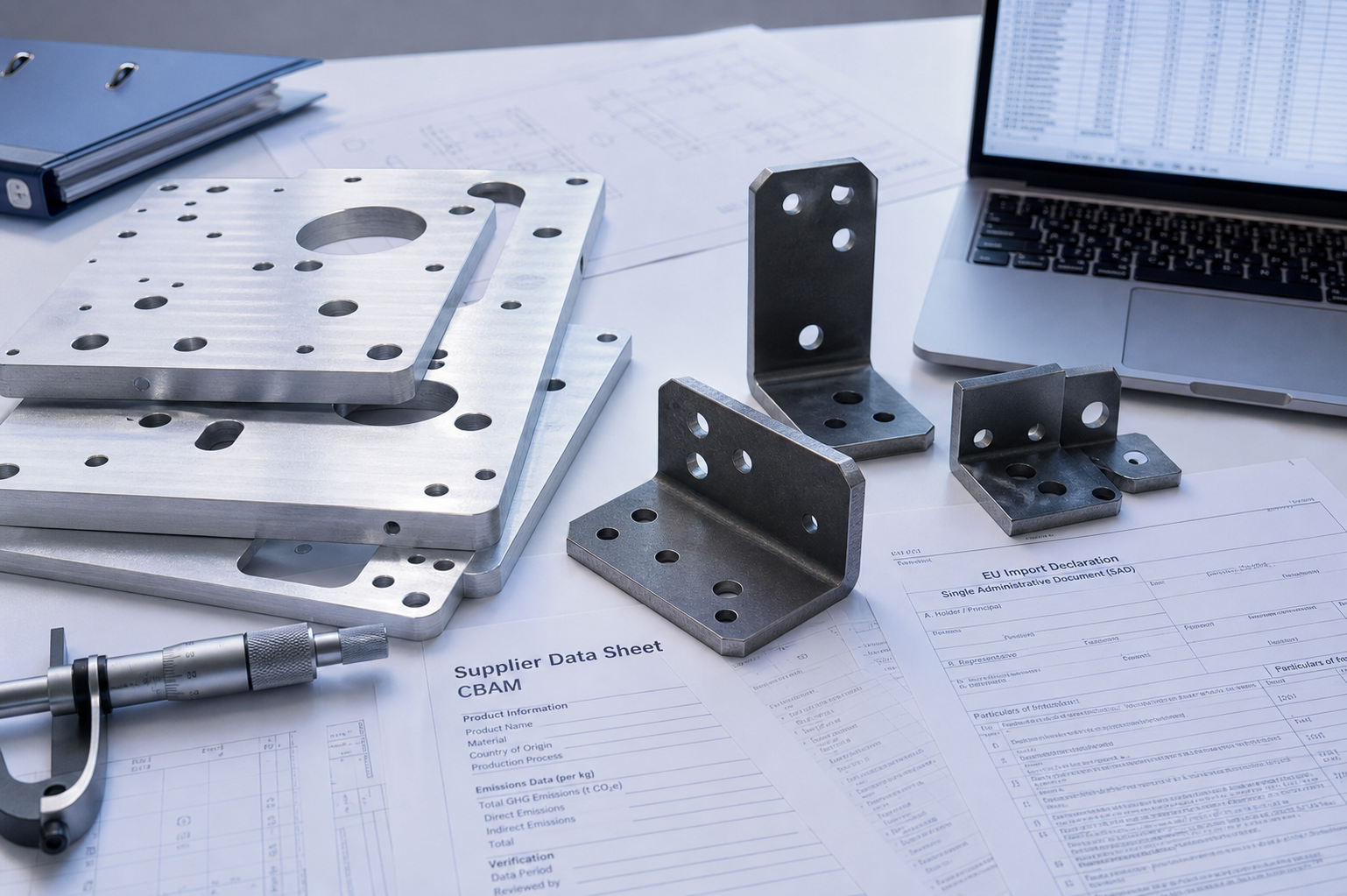
CBAM becomes a quote issue when importer data needs are left too late
CBAM sourcing work is different from a normal machining-capability review. Buyers are not checking spindle size or tolerance range first. They are trying to avoid a situation where the aluminum or steel part is commercially approved, but the supplier-side data path is still unclear when the EU importer starts preparing reporting and declaration work.
The practical supplier role is to help buyers organize what belongs in the RFQ, when the importer timeline matters and how CBAM support differs from material certificates or inspection documents.
- Bring CBAM into the RFQ as soon as the importer expects the goods to be in scope
- Separate source-material records from dimensional inspection records
- Keep finish and secondary-process details visible in the quote package
- Use the same RFQ package to connect sourcing, traceability and customs-facing document planning
Current CBAM milestones EU buyers are already planning around
A stronger supplier page should reflect the current timeline instead of speaking in general terms. These milestones are shaping 2026 and 2027 buyer workflows for EU importers above the current mass-based CBAM threshold.
| Date | Why it matters | What the supplier package should already support |
|---|---|---|
| 1 January 2026 | Definitive CBAM regime starts; EU importers over the annual threshold of 50 tonnes for covered CBAM goods need a CBAM account number or application reference number before customs release | RFQs should identify CBAM-relevant aluminum or steel import context early, including CN code, material route, embedded emissions data expectations and shipment-mass assumptions |
| 2026 import cycle | EU buyers need supplier-side continuity across quotes, purchase orders, shipment records and later importer review | Source-document logic, weight assumptions, material-route notes and finish/process details should not be missing |
| 1 February 2027 | Sales of CBAM certificates start | Importers need cleaner upstream data continuity, emissions methodology notes and source records before the first annual declaration cycle |
| 30 September 2027 | First annual declaration deadline for the 2026 import year, including certificate surrender handled by the importer workflow | Historic quote packages should already support later document matching, third-party verification requests where applicable and importer review |
If the importer expects the annual mass threshold to matter for the program, it is better to flag that during sourcing than to treat CBAM as a late-stage customs issue.
Material certificate, CBAM data and inspection report are not the same thing
One of the biggest buyer mistakes is requesting the wrong document package. Buyers usually move faster when these document paths are separated clearly during RFQ instead of being mixed together later.
| Document type | What it supports | When buyers usually need it |
|---|---|---|
| Material certificate | Source-material identity, grade and traceability path | Lot-linked sourcing, grade approval and document-backed procurement |
| CBAM support data | Importer-facing upstream information for CBAM-relevant aluminum, aluminium, iron and steel goods, including embedded emissions, emissions methodology and whether the buyer is using default values or actual emissions | EU import programs where the buyer, EU importer or authorized CBAM declarant is managing reporting, declaration readiness or later verification requests |
| Inspection report | Measured dimensional acceptance for named part features | Tolerance-sensitive parts, approval runs and released shipment packages |
| Compliance statement | Product-compliance declaration such as RoHS or REACH support | EU-bound product programs where material and finish declarations are also required |
Buyers who separate these document paths early usually build faster quote packages and avoid later loops between customs planning, sourcing and quality review.
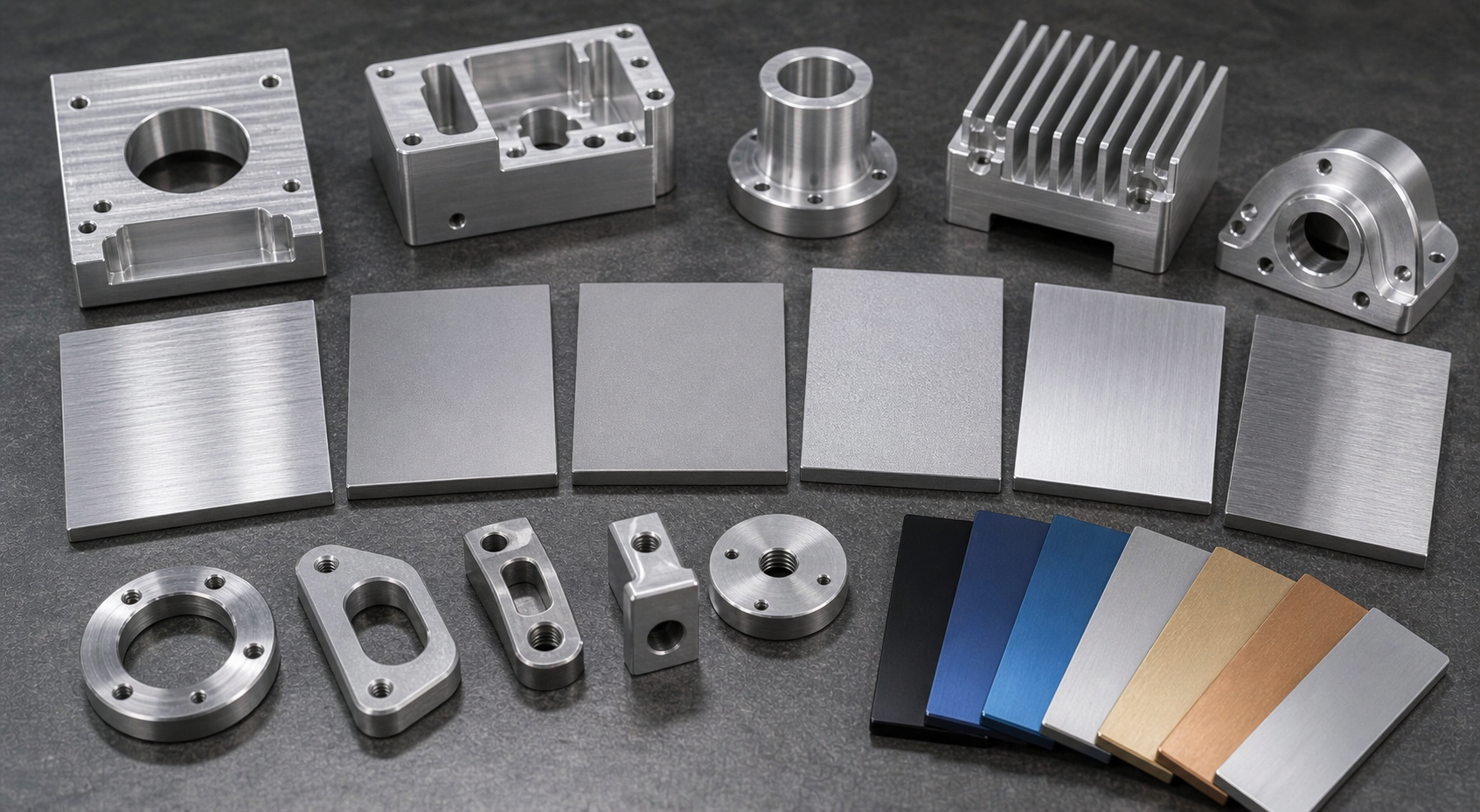
What to include in a CBAM-aware RFQ package
A practical CBAM support page should tell the buyer exactly what to name in the RFQ instead of stopping at policy definitions.
| RFQ field | Why it matters |
|---|---|
| Part revision and destination market | Keeps the document package tied to the actual EU-bound order context |
| Material grade, supplied form and CN code | Supports the upstream material path, goods classification and importer review of covered CBAM scope |
| Smelter route, mill route or production route notes | Helps the buyer decide what source material and emissions data questions should be asked before quote release |
| Approximate net mass or shipment-weight logic | Helps the importer organize CBAM-relevant goods across orders and time windows |
| Finishes and secondary processes | Keeps anodizing, plating, passivation or coating details visible alongside the material route |
| Linked document requests | Allows the buyer to combine CBAM support with traceability, FAI or inspection support |
| Importer declaration details | Names the EU importer, authorized CBAM declarant, CBAM account number or application reference number when the buyer wants that context tied to the RFQ |
Aluminum and steel programs usually move faster when buyers provide
- The expected goods description used by the EU importer
- Part-weight assumptions and shipment timing range
- Any source-data, embedded emissions or emissions methodology fields already requested by the importer or customs adviser
- Material and finish choices that are still open for commercial review
- Whether the inquiry is early budgeting or release-ready sourcing
That turns CBAM from a late document scramble into a sourcing workflow the supplier can actually support.
Related CBAM, material and RFQ paths
CBAM support is strongest when it is connected to the material record, quote package and inspection workflow instead of handled as a late separate request.
Frequently asked questions
Does CBAM apply to every machined metal part shipped into the EU?
No. The EU importer first determines whether the supplied aluminum or iron-and-steel goods fall within CBAM scope. If the buyer already expects CBAM to matter, the RFQ should say so and the supplier package should be prepared early.
Is a material certificate enough for CBAM?
Usually not by itself. A material certificate supports source identity and traceability, while CBAM workflows may need additional upstream information tied to the imported goods and the importer’s declaration path.
What should I upload with a CBAM-aware machining RFQ?
Upload the drawing or CAD model, material grade, finish requirement, destination market, timing, CN code if known and a note that the program needs CBAM-related support for aluminum or iron-and-steel imports.
Can Great Material provide verified CBAM emissions calculations?
Great Material can help organize supplier-side source data for a machining RFQ. The EU importer or its authorized CBAM declarant manages declaration filing, CBAM certificate surrender and any third-party verification workflow.
Should buyers use default values or actual emissions data?
That choice belongs to the importer workflow. At RFQ stage, buyers should state whether they need default values, actual emissions support data or a specific emissions methodology reference from the supply chain.
Do coatings or secondary processes matter?
They can matter to the full buyer document package, especially when the same order also needs finish documentation, inspection support or other compliance records.
When should CBAM support be mentioned?
At RFQ stage. Waiting until after quoting or after shipment planning usually creates avoidable document loops.
Can the same RFQ include inspection and traceability requests?
Yes. Many buyers ask for CBAM-related source support together with traceability, dimensional reports or first article planning in the same quote package.
Send the RFQ before CBAM paperwork becomes the slowest step
Upload the drawing or CAD model together with the aluminum, aluminium, iron or steel material details, destination-market context, CN code if known, finish stack and any traceability, embedded emissions data or inspection needs. That gives the sourcing team a clearer path from machining quote to importer document planning.