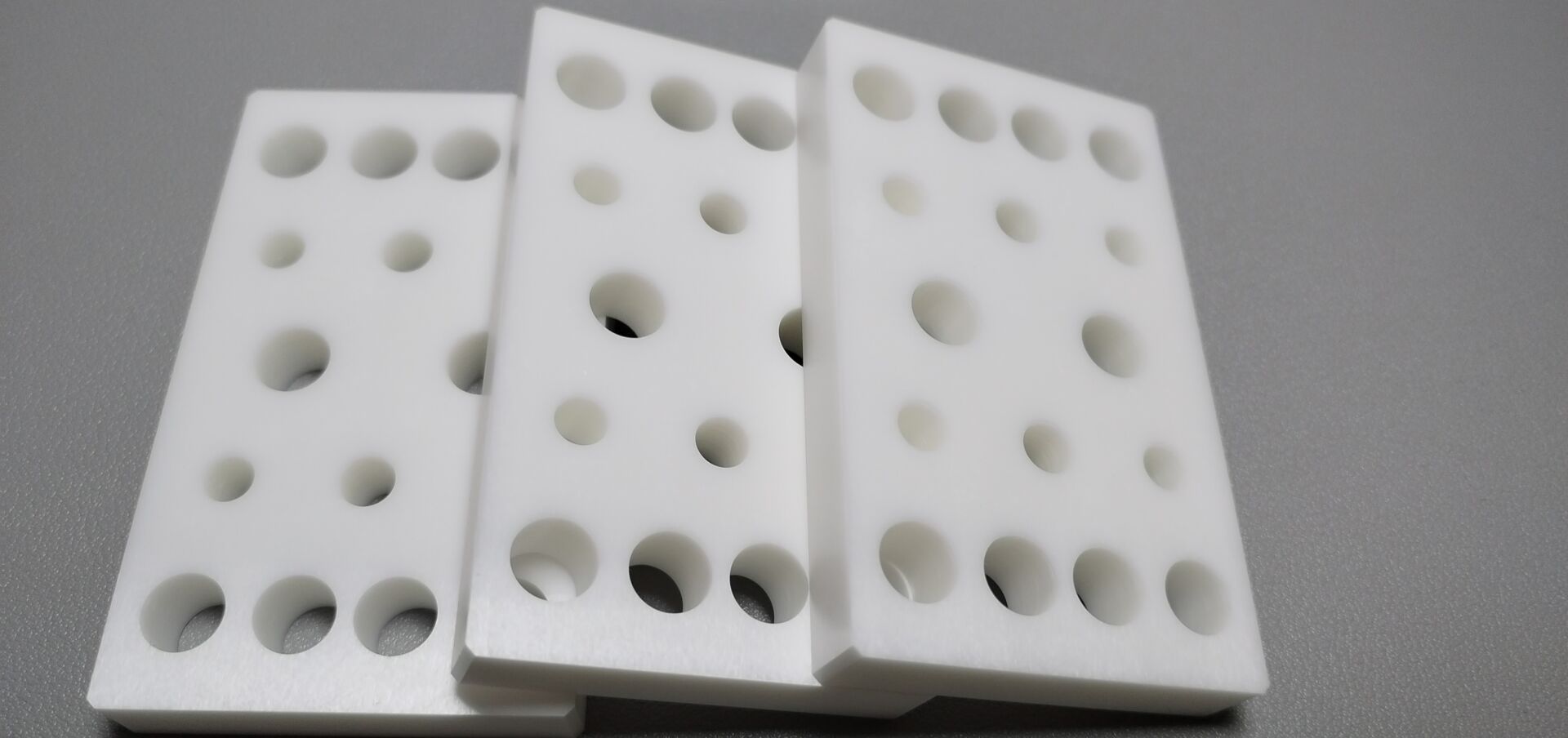
ALUMINUM MATERIAL COMPARISON
6061 vs 7075 Aluminum Machining: How to Choose the Better Alloy for CNC Parts
Choosing between 6061 and 7075 is usually not about picking the strongest alloy on paper. It is about balancing strength, corrosion behavior, finish expectations, machinability, part geometry and project cost against what the CNC part actually needs to do.
This guide compares 6061 and 7075 from a machining decision perspective, shows when each alloy fits better, and explains what to include in the RFQ before quoting. For the broader commercial machining path, connect with aluminum CNC machining, precision CNC machining, surface finishing for CNC parts and Request a Quote.
Fast selection check
- Choose 6061 more often when corrosion resistance, broader versatility and finish flexibility matter
- Choose 7075 more often when the part is load-driven and higher strength justifies the tradeoff
- Do not lock the alloy before reviewing geometry, thread features, finish route and actual use conditions
- Include the preferred alloy and the decision reason in the RFQ so review is faster
| Primary CTA | Ask material recommendation |
| Best fit | Engineers comparing aluminum grades before prototype or low-volume quote |
| Linked pages | Aluminum machining, finishing, traceability and RFQ upload |

The wrong aluminum choice usually creates avoidable tradeoffs later
Many comparison pages stop at strength numbers. That is useful, but it is not enough for machining decisions. A structural bracket, fixture plate and anodized housing do not ask the same questions from the material, even when all three are aluminum CNC parts.
The better way to compare 6061 and 7075 is to connect the alloy to the part role, finish route, environment and project stage. This page is built around that decision path.
- 6061 is often the broader default for general machined parts and anodized housings
- 7075 becomes more useful when higher strength is doing real work in the design
- Finish expectations and corrosion conditions can matter as much as raw strength
- The RFQ should carry the selection logic, not only the alloy label
6061 vs 7075: the machining comparison buyers actually need
This table is built for selection logic, not only property memorization.
| Decision factor | 6061 | 7075 | What it means in RFQ review |
|---|---|---|---|
| General role | Versatile default for many machined aluminum parts | Higher-strength route for more load-driven parts | Start with the part function, not the material reputation alone |
| Strength priority | Often sufficient for housings, brackets and general fixtures | Stronger choice when the design truly needs the extra margin | Call out if the part is strength-critical or just lightweight and machinable |
| Corrosion and environment | Often favored when corrosion resistance matters more | Can be selected, but the environment deserves more attention | State service conditions instead of assuming strength solves everything |
| Finish expectations | Common for anodized cosmetic and functional parts | Used when design needs justify it, but finish expectations should be reviewed early | If finish appearance matters, say so in the RFQ |
| Typical part fit | General housings, brackets, fixture bases, covers | Higher-load brackets, more performance-driven structural parts | Tie the alloy to the part family when asking for quote review |
| Cost logic | Often the more practical route when the design does not need premium strength | Makes more sense when the higher strength is actually being used | Ask whether the design can stay in 6061 before moving upward by default |
When to choose 6061 and when to move to 7075
The practical choice is usually easier when the buyer frames the material around part function instead of only a property table.
This decision path also affects surface finishing, material documentation and the broader aluminum machining route.

Finish, corrosion and part category often decide the better alloy
A comparison page becomes much more useful when it stops treating all aluminum parts as identical. A cosmetic anodized housing, a structural bracket and a fixture plate may all be aluminum, but they are not optimizing the same outcome.
- Housings and covers often reward broader finish and corrosion practicality
- Higher-load brackets may justify the extra strength route
- Fixture and tooling parts should be reviewed against actual rigidity and environment needs
- Prototype builds should keep unnecessary material escalation in check unless the design requires it
That is why the final call should be tied to the part family and end use, then documented clearly in the RFQ.
What to include in a 6061 or 7075 RFQ
- Drawing and CAD: current revision with critical features and tolerances
- Preferred alloy: 6061, 7075 or “open to recommendation”
- Why that alloy: strength, corrosion, finish or customer spec requirement
- Finish route: anodize, hard coat, blasting or bare-machined expectation
- Project stage: prototype, pilot or low-volume production
This gives the machining review more context than a grade callout alone.
Frequently asked questions
What is the main difference between 6061 and 7075 for machining?
The key difference is usually the tradeoff between broader versatility and higher strength. The right choice depends on how the CNC part is used, not only the property chart.
When should 7075 be chosen over 6061?
7075 is more useful when the part is genuinely strength-driven and the design is benefiting from that additional mechanical margin.
Is 6061 a better default for many machined aluminum parts?
In many projects, yes. It is often the more practical route when the design does not need the added strength focus of 7075.
Which alloy is better for anodizing?
The better route depends on the appearance target and part function, but finish expectations should be reviewed together with the alloy before quoting.
Should corrosion conditions affect the grade choice?
Yes. The operating environment matters, especially when the part is exposed and corrosion behavior is part of the decision rather than an afterthought.
What should be included in a 6061 or 7075 RFQ?
Include the current drawing revision, preferred alloy, the reason for that choice, finish expectations, quantity and any critical dimensions or documentation needs.
Ask for the alloy recommendation together with the part function
If the alloy is still open, send the drawing package with the part role, finish target and load or environment notes. Use the RFQ page to request a more practical 6061 vs 7075 review before machining starts.