MAGNESIUM MACHINING
Magnesium Machining Services for Lightweight Custom Alloy Parts
Quote lightweight custom machined magnesium housings, brackets, covers, ribbed structures and thermal-management parts in magnesium alloy grades such as AZ31 and AZ91. This page is built for buyers and engineers who need to decide whether magnesium is the right lightweight metal, how it compares with aluminum, and what corrosion or handling notes should be aligned before the RFQ starts.
If the drawing is already fixed, move directly to our CAD upload and quote page. If the project is still open between magnesium and another lightweight metal, connect this review with our aluminum CNC machining, material selection guide and surface finishing for CNC parts pages before the RFQ is locked.
Best Fit for Magnesium RFQs
- Weight-sensitive housings, frames and covers
- Mobility, robotics and portable-equipment structural parts
- Ribbed or pocketed parts where mass reduction matters
- Custom parts being reviewed against aluminum alternatives
- Low-volume and prototype programs for lightweight hardware
- Projects needing corrosion-path and packaging alignment before release
Send the CAD model, target alloy direction, finish expectations, service environment, quantity and destination together for faster material review.
Typical Alloy Direction
AZ31 and AZ91 routes selected by lightweighting goals, structural detail and corrosion-planning needs.
Typical Parts
Lightweight housings, covers, brackets, electronics structures, portable-device frames and ribbed supports.
Finish Planning
Corrosion-protection and post-machining surface handling should be aligned early for magnesium parts.
Quote Priorities
Alloy choice, weight target, finish path, service environment, packing condition and document expectations.
Why Buyers Consider Magnesium for Lightweight Machined Parts
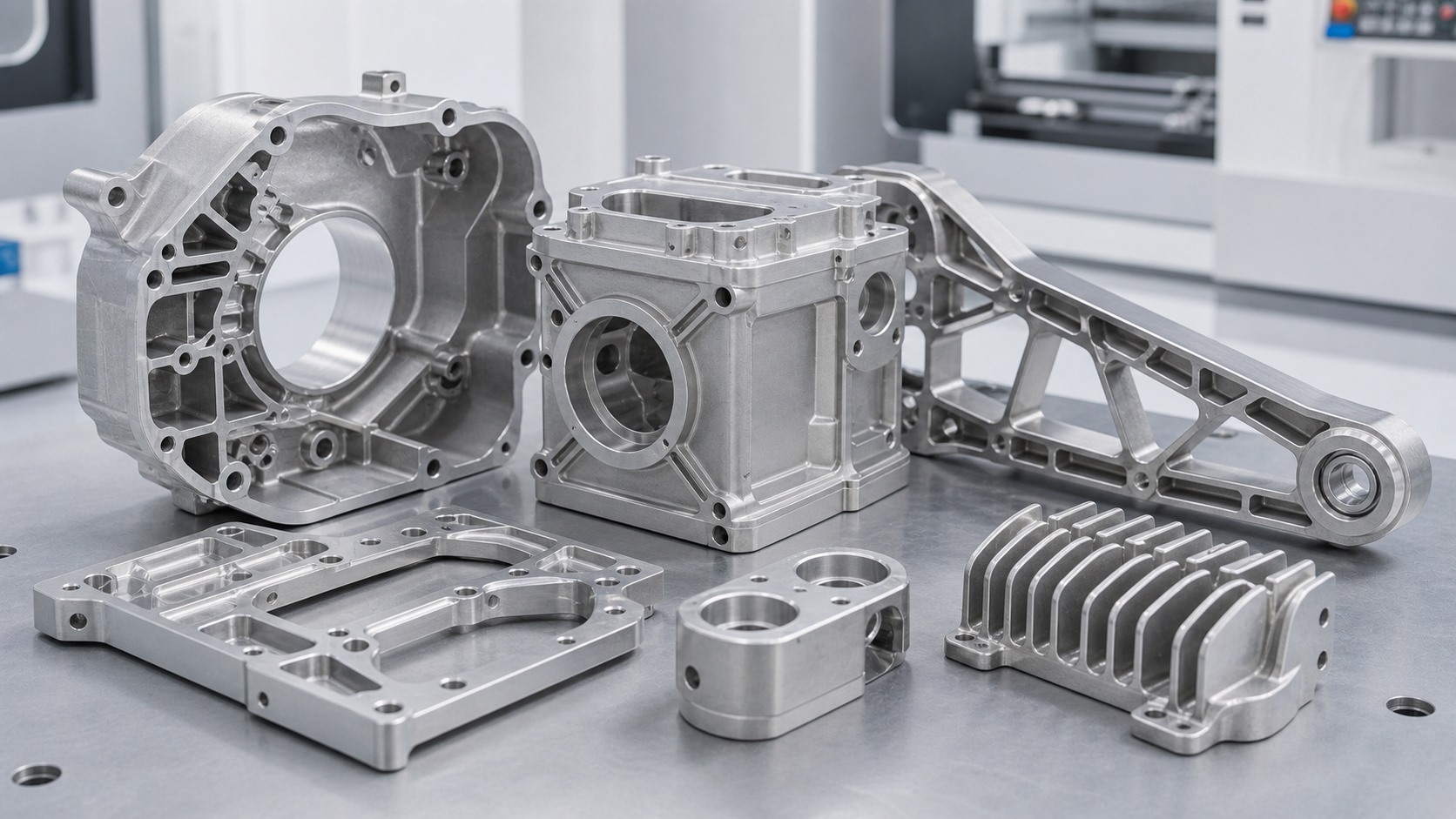
Magnesium enters the review when the project is strongly weight-driven and every gram matters more than broad material familiarity. It is often considered for portable structures, mobility hardware, electronics bodies, aerospace-adjacent parts and other components where a lighter metal can change the full product behavior instead of only the single part.
The real decision is usually not whether magnesium can be machined, but whether the design benefits are strong enough to justify a more selective material route. Buyers typically need clearer answers to questions like: is magnesium better than aluminum for this lightweight bracket, does the part need a casting-oriented alloy or a wrought direction, and what corrosion-protection notes must be included before production starts?
Weight-led material path
Magnesium is usually reviewed when lighter mass is a first-order requirement rather than a secondary cost or convenience preference.
Environment and finish-led path
Because magnesium needs more deliberate corrosion planning than some other metals, finish and handling notes should be discussed early.
Magnesium Alloy Direction Matrix
This matrix is meant to reduce requotes by connecting the part family, weight target and corrosion path to the most common magnesium alloy directions.
| Alloy direction | Best fit | Why buyers choose it | RFQ notes that matter |
|---|---|---|---|
| AZ31 direction | Lightweight structural parts, brackets, covers and machined parts reviewed from wrought stock direction | Often considered when buyers want a lightweight magnesium route for engineered parts rather than only cast geometry. | Clarify structural role, wall thickness, cosmetic faces and corrosion-protection expectations. |
| AZ91 direction | General lightweight housings and magnesium parts where broader alloy familiarity matters | Selected when the buyer is evaluating a common commercial magnesium alloy path for lightweight metal components. | Describe finish path, environment, handling condition and whether appearance matters after machining. |
| Magnesium vs alternative lightweight metal review | Projects still open between magnesium and aluminum | Used when the weight target is clear but the buyer still needs a practical material recommendation route. | Include target mass, service environment, finish expectations and the reason magnesium is under review. |
Magnesium vs Aluminum for Lightweight Custom Parts
| Material path | Usually chosen when | Tradeoff to remember |
|---|---|---|
| Magnesium | Weight reduction is a primary goal and the product can support a more selective alloy and finish path. | Corrosion handling, finish planning and packaging should be defined more carefully than in a standard aluminum RFQ. |
| Aluminum | You still need a lightweight metal but want a more familiar machining route, broader finish options and wider commercial comfort. | You may give up some mass reduction compared with a magnesium route depending on the design target. |
| Other structural metals | Weight is not the first-order driver and the design needs a more conventional material path. | The part may become heavier, but corrosion and handling logic can be simpler. |
If the material decision is still open, compare this page with our aluminum CNC machining page before the RFQ is finalized.
Machining and Handling Risks to Flag Early
- Corrosion path: magnesium parts should not be quoted as if bare machined surfaces will be stored and shipped without planning.
- Thin walls and ribs: many magnesium projects are geometry-sensitive because lightweighting pushes the design toward thin sections and pocketed structures.
- Chip and handling expectations: buyers should state whether the project has any site-specific safety or storage requirements for machined magnesium parts.
- Visible and mating surfaces: if the part has cosmetic faces or sealing interfaces, the finish path should be aligned at RFQ stage instead of after release.
- Packing condition: destination, storage time and protective packing expectations can matter more than on common aluminum RFQs.
For lightweight parts where tolerance, thin walls and datum control dominate the risk more than material choice alone, move the drawing through our precision machining review path before finalizing the RFQ.
Finish and Protection Planning for Magnesium Parts
| Finish or handling path | Typical reason to choose it | What to call out in the RFQ |
|---|---|---|
| Protected as-machined route | Used when the part is primarily functional but still needs controlled handling after machining. | Describe storage, packing and destination conditions so the route reflects real shipment needs. |
| Conversion or corrosion-protection path | Considered when the environment or storage condition demands more protection than bare machined metal. | State service environment, cosmetic requirements and whether threaded or critical areas need masking logic. |
| Cosmetic or appearance-led route | Used when a lightweight visible part needs a more controlled finished appearance. | Clarify cosmetic faces, scratch sensitivity and acceptance criteria before quote review starts. |
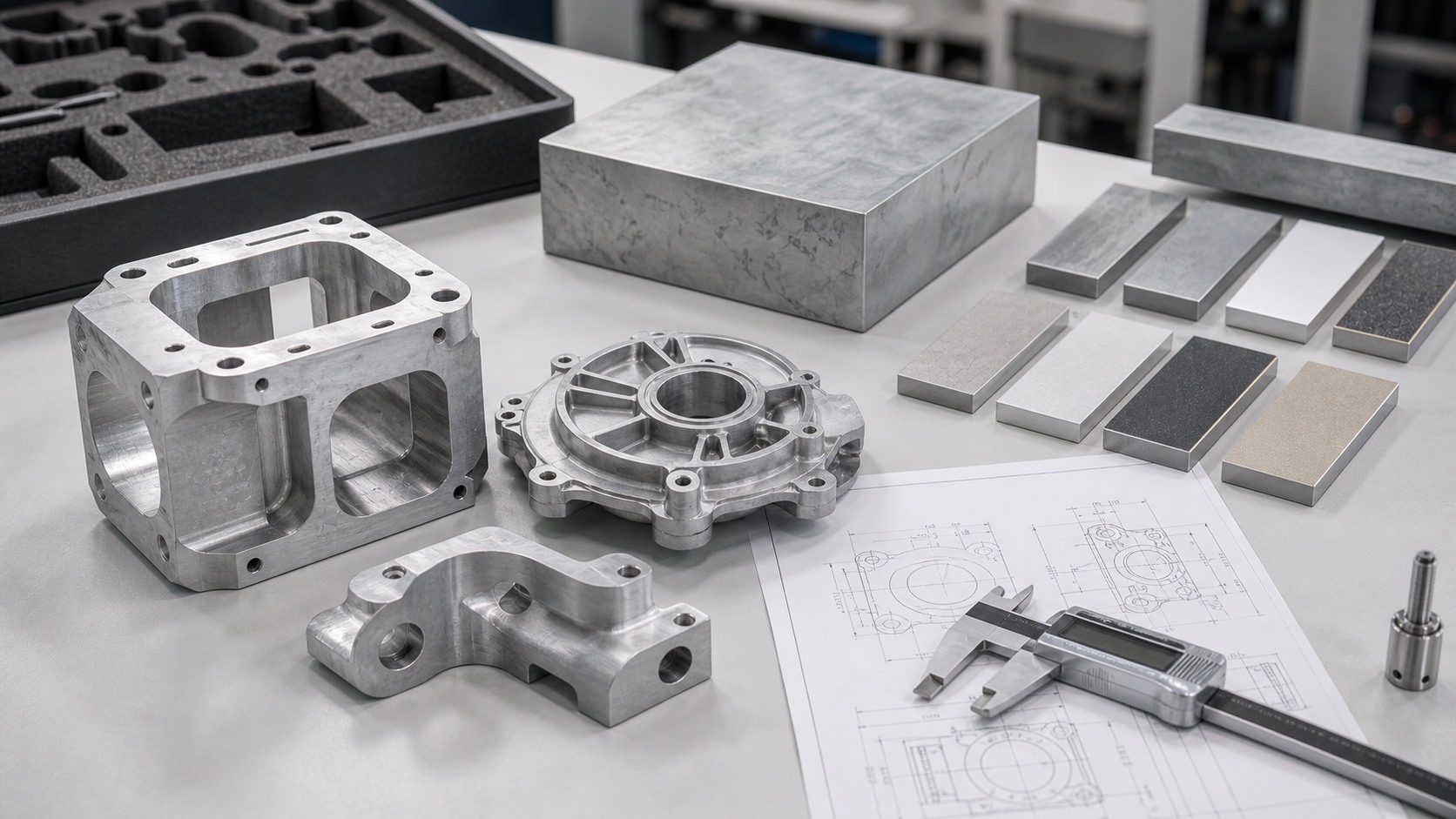
If finish selection is still open, use this page together with our surface finishing guide so material and protection planning stay aligned.
RFQ Checklist for Custom Magnesium Machined Parts
| RFQ input | What to include |
|---|---|
| CAD model and drawing | Include the 3D model plus 2D drawing for thin walls, ribs, cosmetic faces, critical datums and finish requirements. |
| Target alloy direction | Call out whether the part is being reviewed toward AZ31, AZ91 or another magnesium path, even if still provisional. |
| Weight and application goal | Explain why magnesium is under review and what mass or product-level benefit it is supposed to deliver. |
| Finish or protection needs | List corrosion-protection, cosmetic or packaging expectations before the quote is reviewed. |
| Environment and storage notes | Describe operating environment, shipment destination and any storage sensitivity that affects handling. |
| Documentation | Add material cert, dimensional report or other document requests in the first RFQ, not after quotation. |
If magnesium is still being compared against aluminum, send the target weight reduction and service environment together so the material review can narrow the right route instead of quoting mismatched options.
Magnesium Machining FAQ
Is magnesium easy to machine?
Magnesium is often considered attractive for machining when the project is strongly weight-driven, but the quote still needs deliberate handling, corrosion-path and packaging planning.
When does magnesium make more sense than aluminum?
Magnesium is usually reviewed when a lighter-weight route is valuable enough to justify a narrower material and protection strategy than a standard aluminum program.
What magnesium alloys are commonly reviewed for machined parts?
AZ31 and AZ91 are common directional references when buyers start evaluating lightweight magnesium alloy parts.
Do magnesium parts need corrosion protection after machining?
Many magnesium RFQs should include a finish or handling path up front so the parts are not treated as if bare machined metal is enough for storage, transit or end use.
What should I flag on a magnesium RFQ besides the alloy?
Include the weight target, service environment, finish or protection path, thin-wall geometry, cosmetic requirements, packing expectations and document needs.
Ready to review a custom magnesium machined part?
Upload the CAD file with target alloy direction, weight goal, finish or protection needs, critical dimensions and destination details. If the part combines lightweighting with tighter tolerance control, use the same RFQ path and flag the critical features in the notes.