STEEL CNC MACHINING
Steel CNC Machining Services for Custom Carbon and Alloy Steel Parts
Quote custom machined steel shafts, brackets, housings, fixtures, wear parts and machine components in 1018, 1045, 4130, 4140 and related grades. This page is built for engineers and buyers who need to balance strength, machinability, finish protection, heat-treatment risk and total part cost before production starts.
If the drawing is already fixed, move directly to our CAD upload and quote page. If the project mixes steel grade choice with tighter fits, bearing surfaces or structural features, connect this review with our precision CNC machining, CNC turning services and quality control and inspection pages.
Best Fit for Steel RFQs
- 1018 and low-carbon steel brackets, plates and housings
- 1045 shafts, pins and medium-duty machine components
- 4130 and 4140 strength-driven structural parts
- Wear surfaces, bearing fits and repeat production hardware
- Black oxide, plated or oil-protected steel parts
- Prototype and low-volume production steel programs
Send the CAD model, target grade, finish path, heat-treatment needs, quantity and destination together for faster steel quote review.
Common Steel Families
Low-carbon, medium-carbon and alloy steel options selected by cost, strength, wear and finish needs.
Typical Parts
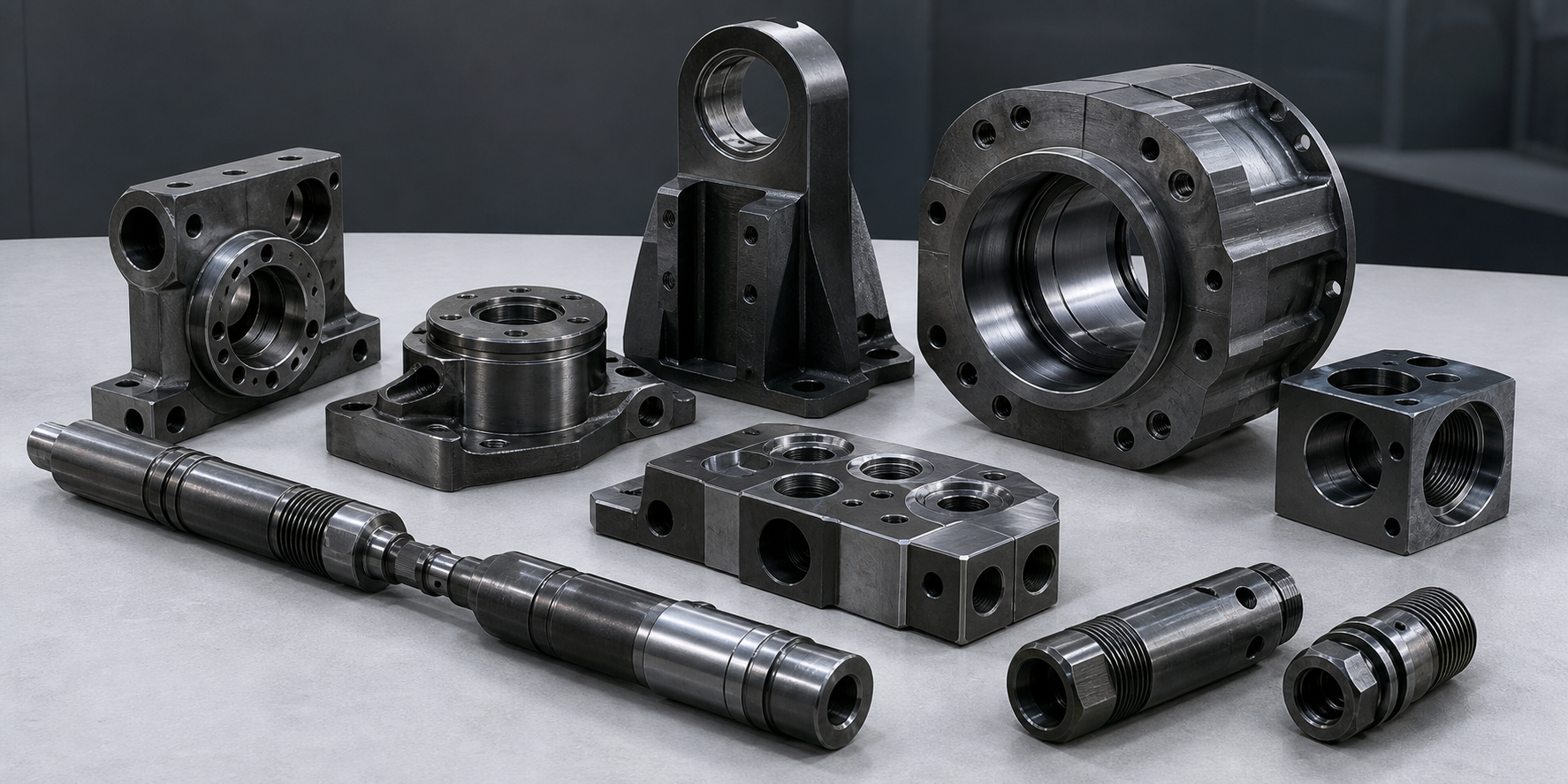
Shafts, brackets, housings, fixtures, machine frames, tooling blocks and structural hardware.
Finish Planning
Black oxide, zinc or nickel plating, phosphate and protective oil routes tied to corrosion and handling needs.
Quote Priorities
Grade choice, heat treatment, wear surfaces, threads, tolerances and document requirements.
Why Buyers Still Choose Steel for Machined Parts
Steel remains one of the most practical machining materials when the part needs familiar mechanical behavior, good dimensional stability, broad grade availability and a cost structure that can scale from prototypes to repeat production. It is often the right material path when the part has to carry load, resist wear, support threaded interfaces or deliver more stiffness than aluminum without immediately moving to higher-cost alloys.
The real decision is usually not whether a steel part can be machined, but which steel family fits the job. Some RFQs are cost-led and fit low-carbon steels such as 1018. Others need more strength, better shaft behavior or harder working surfaces and start pulling toward 1045, 4130 or 4140. That choice then affects finish planning, corrosion protection, heat treatment, threading strategy and downstream inspection scope.
Cost-led material path
1018 and other low-carbon steels are often chosen for brackets, housings and machine components where machining economy and broad availability matter.
Strength or wear-led material path
1045, 4130 and 4140 become more relevant when the RFQ is shaped by shafts, load-bearing parts, impact resistance or harder working surfaces.
Steel Grade Selection Matrix
This matrix is meant to reduce re-quoting by connecting the part family, strength need and finish path to the most common steel grade directions.
| Grade direction | Best fit | Why buyers choose it | RFQ notes that matter |
|---|---|---|---|
| 1018 / low-carbon steel | Brackets, plates, housings, machine frames and general-purpose custom parts | Often chosen when machining economy, weldability and broad availability matter more than maximum hardness. | Clarify corrosion protection, cosmetic expectations and whether welded or fabricated context affects the route. |
| 1045 / medium-carbon steel | Shafts, pins, machine elements and parts needing more strength than mild steel | A common step up when the part needs better strength and wear behavior while staying commercially familiar. | Mark bearing fits, wear zones, thread quality and whether post-machining protection or hardness matters. |
| 4130 / alloy steel | Structural parts, fixtures and components where strength-to-weight and controlled properties matter | Selected when the part needs a more controlled alloy path than basic carbon steel can offer. | Describe load path, post-machining treatment expectations and any fabricated or welded assembly context. |
| 4140 / alloy steel | Strength-driven shafts, wear parts, machine hardware and more demanding mechanical components | Chosen when higher strength, toughness or wear-focused behavior justifies a narrower material route. | Call out heat-treatment condition, critical dimensions after treatment and surfaces that cannot tolerate distortion or rework. |
Typical Steel Part Types and What Changes the Quote
Shafts and pins
Material family, bearing fits, thread quality, wear surfaces and hardness expectations usually matter more than size alone.
Brackets and structural hardware
Cost target, weldability, corrosion protection and plate or bar stock efficiency often drive the review.
Fixtures and tooling components
Flatness, repeatability, localized wear and surface protection can affect whether low-carbon or alloy steel makes more sense.
Machine housings and wear parts
Machined faces, threaded ports, protective finish and long-term handling conditions usually shape the RFQ depth.
If the project includes mixed materials or multiple machining routes, use this page together with our custom metal parts and CNC machining services pages so the quote reflects the full assembly context rather than a single isolated component.
Machining and Finish Risks to Flag Early
- Heat-treatment expectations: if the part will be machined in a treated or pre-hard condition, call that out before quote review starts.
- Wear surfaces and bearing fits: shafts, bores and contact zones often need clearer notes than general-purpose steel RFQs provide.
- Protective finish path: black oxide, plating, oil protection or other coating choices should be tied to the service environment and handling plan.
- Distortion-sensitive features: long shafts, thin walls and tight datums may need special review if treatment or stress release is part of the route.
- Mixed-function geometry: one part may combine structural faces, threaded features and visible surfaces, each with a different process priority.
For steel parts where tolerances and datum strategy drive the risk more than grade selection alone, move the drawing through our precision machining review path before finalizing the RFQ.
Finish and Corrosion-Protection Planning for Steel Parts
| Finish path | Typical reason to choose it | What to call out in the RFQ |
|---|---|---|
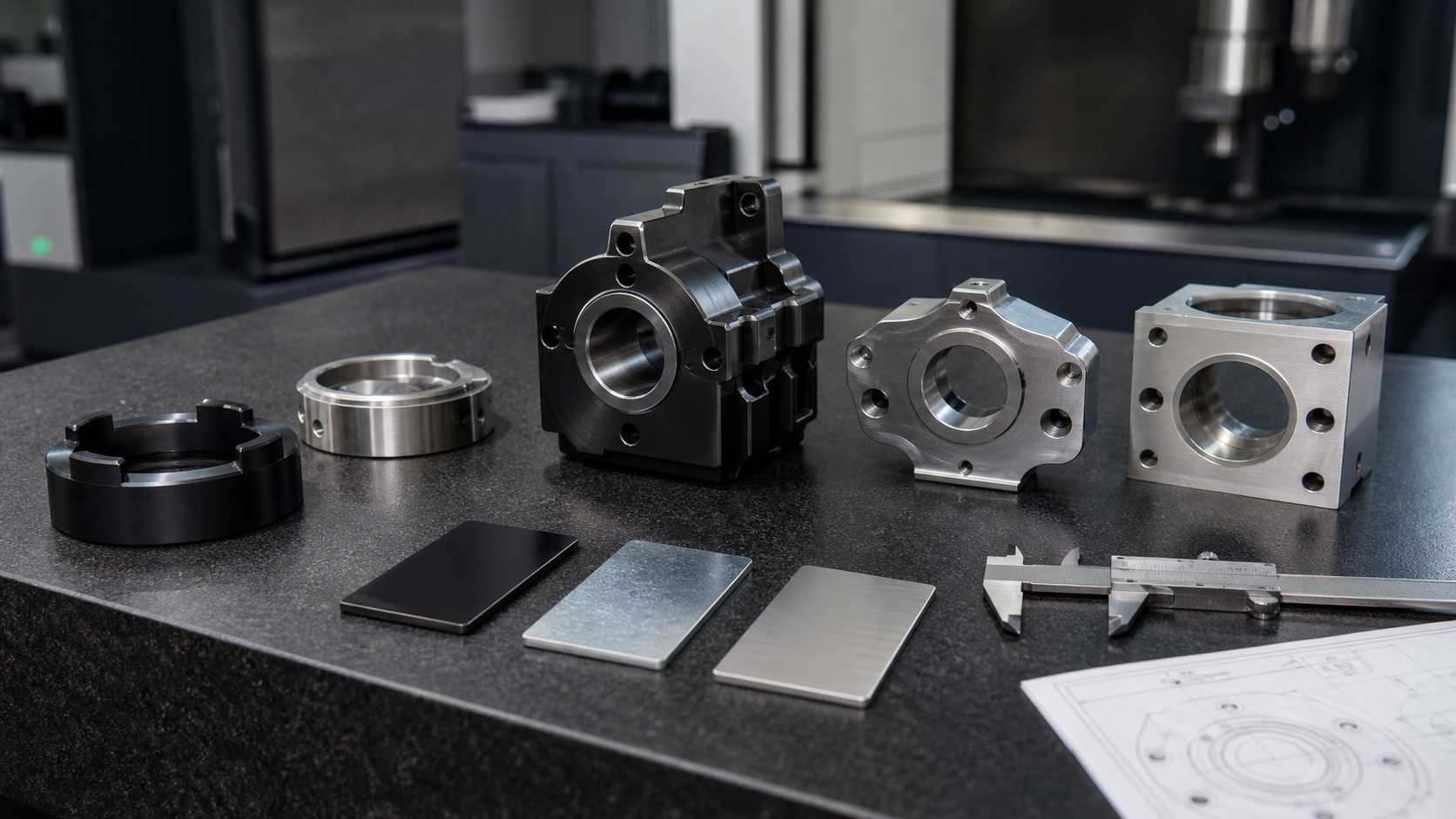
| As-machined with protective oil | Used when the part is primarily functional and temporary corrosion protection is enough for handling or transit. | Describe storage and destination conditions so the part is not quoted as if bare steel is acceptable in long exposure. |
| Black oxide | Common when buyers want a familiar dark finish and moderate appearance or handling improvement on steel parts. | Separate cosmetic faces, contact zones and post-finish fit requirements before the route is locked in. |
| Zinc or nickel plating | Selected when corrosion protection needs to be stronger than simple oil or oxide treatment. | Mark threaded areas, masked features and dimensions that may be sensitive to finish build-up. |
| Other protective routes | Chosen when assembly, export handling or service environment requires a more specific surface path. | Use the RFQ notes to tie finish needs to function, packaging and destination instead of only visual preference. |
If finish selection is still open, use this page together with our surface finishing guide so material and corrosion-protection planning stay aligned.
RFQ Checklist for Custom Steel Machined Parts
| RFQ input | What to include |
|---|---|
| CAD model and drawing | Include the 3D model plus 2D drawing for critical dimensions, wear surfaces, threads, finish notes and any treatment-sensitive features. |
| Target steel grade | Call out whether the part is aimed at 1018, 1045, 4130, 4140 or another grade, even if still provisional. |
| Mechanical or service requirement | Describe load, impact, wear, weldability or environment when those requirements affect the material path. |
| Finish or protection needs | List black oxide, plating, oil protection or other finish requirements before the quote is reviewed. |
| Heat-treatment condition | Specify if material condition, post-machining treatment or dimensional risk after treatment needs to be considered. |
| Documentation | Add material cert, dimensional report or other requested documents in the first RFQ, not after quotation. |
If the steel grade is still open between a lower-cost carbon steel and a stronger alloy steel route, send the functional requirement with the drawing so the review can narrow the right option instead of quoting multiple mismatched versions.
Steel CNC Machining FAQ
What is the most common steel grade for CNC machined parts?
1018 is a common starting point for general-purpose brackets, housings and machine parts when the project is cost-aware and does not require a higher-strength alloy route.
When should I choose 1045 instead of 1018?
1045 becomes more relevant when the part needs more strength, better shaft behavior or improved wear performance than a low-carbon steel usually provides.
When does 4140 make sense for a machined steel part?
4140 is often considered when the part is more strength-driven, wear-sensitive or mechanically demanding, especially for shafts and machine hardware.
Do steel RFQs need to mention finish or plating up front?
Yes. Black oxide, plating, oil protection and related finish paths can affect dimensions, threads, masking and downstream handling, so they should be raised during quotation.
What should I flag on a steel RFQ besides the grade?
Include the service environment, finish path, wear surfaces, treatment condition, critical dimensions, quantity and document requirements.
Ready to quote a custom steel machined part?
Upload the CAD file with target grade, finish or protection needs, heat-treatment notes, critical dimensions and document requirements. If the part combines steel grade choice with tighter tolerance control, use the same RFQ path and flag the critical features in the notes.