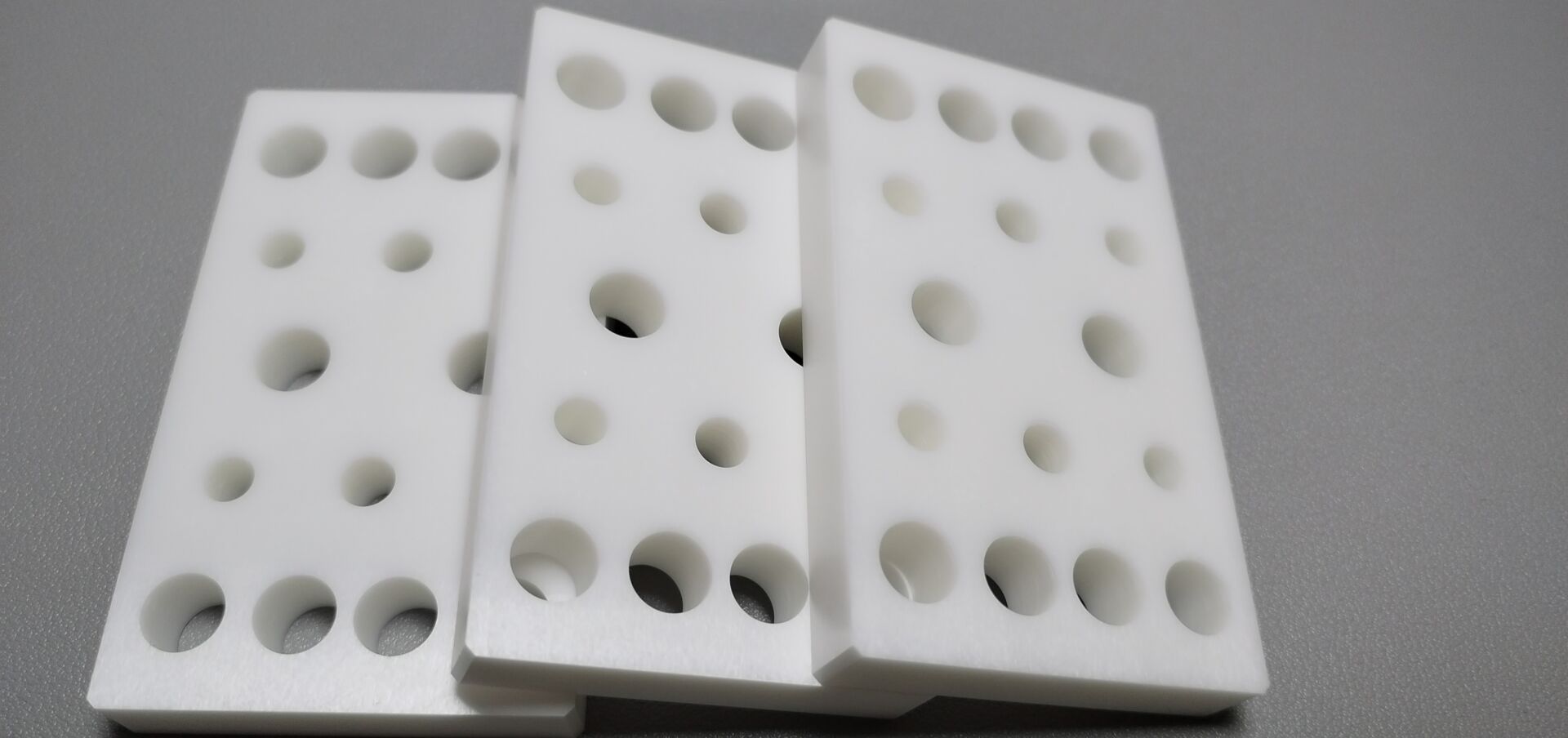
Metal Rapid Prototyping for Fast-Turn Functional Parts
Metal rapid prototyping is for parts that need real geometry, real machining logic and real material behavior before production release. It helps engineering teams move faster when a plastic mockup is not enough and when fit, strength, heat, fastening or surface condition need to be reviewed in metal.
This page is built for engineers, OEM buyers and product teams sourcing quick-turn aluminum, stainless steel and other metal prototypes for evaluation, functional testing and early customer review. It explains when to use machined or sheet metal prototypes, what to send in the RFQ, and how prototype work connects to low-volume CNC machining, precision CNC machining and the final prototype quote package.
What prototype buyers usually need
- Fast-turn metal parts that reflect real fit, fastening and assembly behavior
- Guidance on whether CNC machining, sheet metal or a mixed route is the better prototype choice
- Production-grade material options for function and environment testing
- Early DFM feedback before the part family moves into repeat low-volume supply
- A quote path that captures revision level, prototype purpose and critical test points
| Best fit | Functional metal prototypes, fit-check parts, design-validation samples, engineering builds and fast-turn customer samples |
| Primary CTA | Start prototype quote |
| Related pages | CNC machining services, custom metal parts, low-volume CNC machining, surface finishing and RFQ upload |
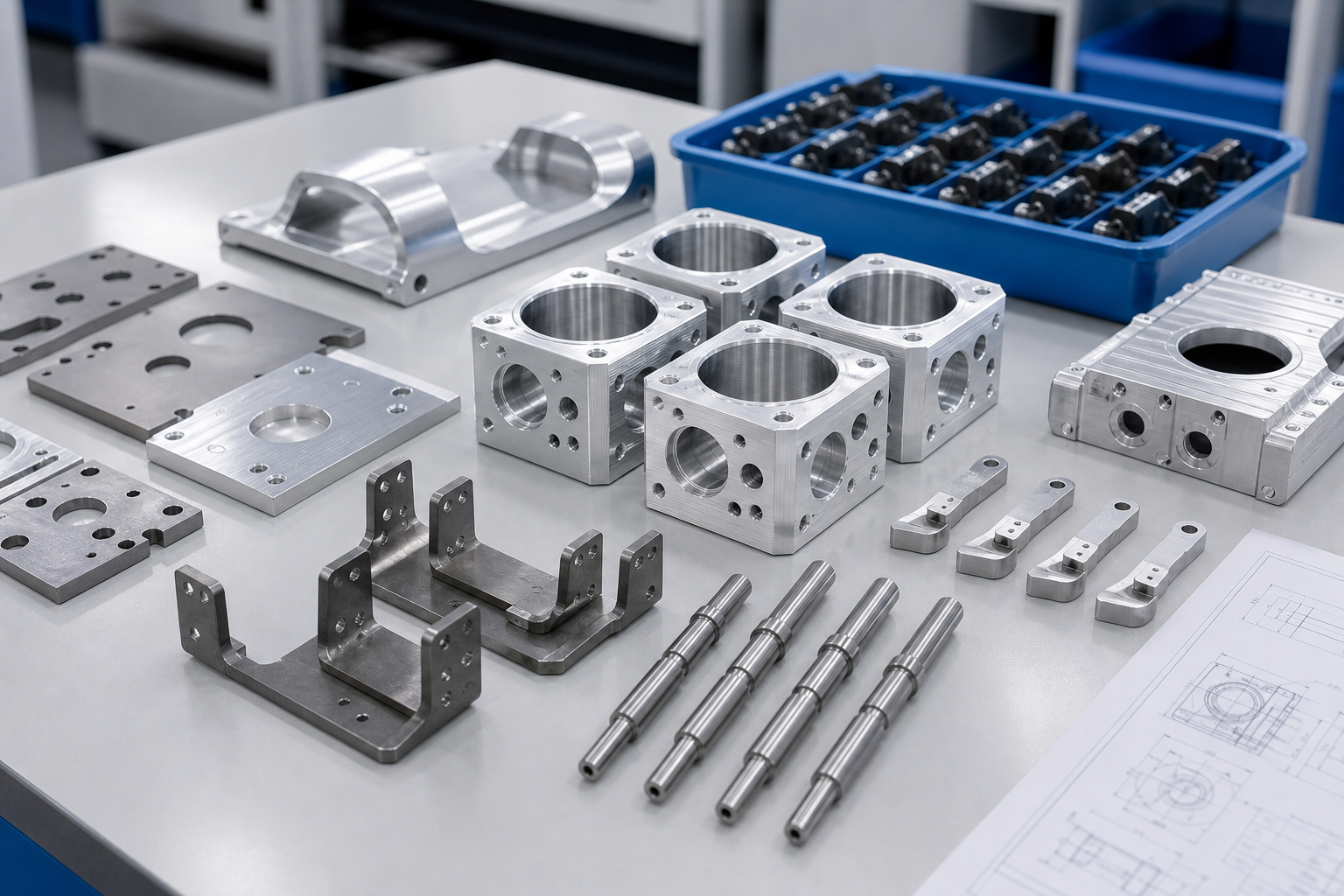
Use metal prototypes when material behavior matters before release
Not every prototype needs to be metal. But once the part has to prove thread strength, structural stiffness, thermal behavior, gasket interfaces, mounting geometry or cosmetic-machined surfaces, a metal route usually answers questions that a simpler concept model cannot.
That is why this page is different from a broad CNC machining services page. The searcher is not yet asking about recurring production batches. The real need is to choose the right fast-turn path, use the right material, and get useful feedback before the design moves deeper into production planning.
- Use rapid machined prototypes when geometry, tolerance and true metal properties matter
- Use sheet metal prototypes when formed panels, covers and fabricated structures need physical review
- Use production-grade metals when the test needs real assembly and environment behavior
- Move approved designs into low-volume CNC machining when batches start repeating
Prototype goals that usually justify a metal route
The process choice gets clearer when the prototype goal is explicit. These are the most common reasons teams choose metal rapid prototyping.
Verify mating interfaces, screw patterns, panel fit, clearances and enclosure geometry in real metal parts.
Review strength, stiffness, wear, heat or operating loads before tooling and larger batch decisions begin.
Present realistic metal parts for design approval, early demonstrations or pre-launch evaluation.
Use early prototype builds to refine features, tolerances, finishes and inspection expectations before follow-on production.
Prototype purpose and process matrix
The first prototype question is not only how fast the part can be made. It is whether the chosen process reflects the question the prototype is supposed to answer.
| Prototype purpose | Best-fit route | Why it fits | What to include in RFQ |
|---|---|---|---|
| Looks-like mechanical sample | CNC machining or simple sheet metal route | Good for enclosure review, fastening points, cover fit and visual geometry checks | Current CAD, appearance notes, finish expectation and visible-face priorities |
| Works-like functional prototype | Machined metal prototype with production-grade material | Helps validate strength, heat, wear, fluid path or assembly performance under realistic conditions | Material grade, critical dimensions, test purpose and any report or fit-check requirements |
| Complex geometry review | CNC milling, turning or 5-axis machining depending on access and contour | Maintains true geometry on pockets, bores, threads, contoured faces and multi-side features | Model, drawing, critical datums, feature priorities and finish-sensitive surfaces |
| Pre-production validation | Prototype route aligned to likely production process | Improves transition into low-volume follow-on batches with fewer changes | Revision release, quantity expectation, finish, inspection path and follow-on batch intent |
Fast prototype turnaround depends on better inputs, not only faster machining
Prototype schedules slow down when the CAD is current but the prototype purpose is unclear. A supplier can machine the model, but the review still stalls if the RFQ does not say whether the part is for fit, function, customer presentation, finish review or pre-production verification.
That is why a strong metal rapid prototyping page should also teach engineers how to define the build. Early clarity on material grade, finish, critical features, test purpose and expected follow-on path often improves speed more than generic claims about quick turnaround.
Prototype RFQs move faster when they include
- the actual goal of the build: fit, function, appearance or pre-production validation
- the current drawing revision and any known engineering changes
- material grade and why it matters to the test
- finish requirements for visual review, sealing, thread masking or cosmetic comparison
- whether the part may move into low-volume supply if approved
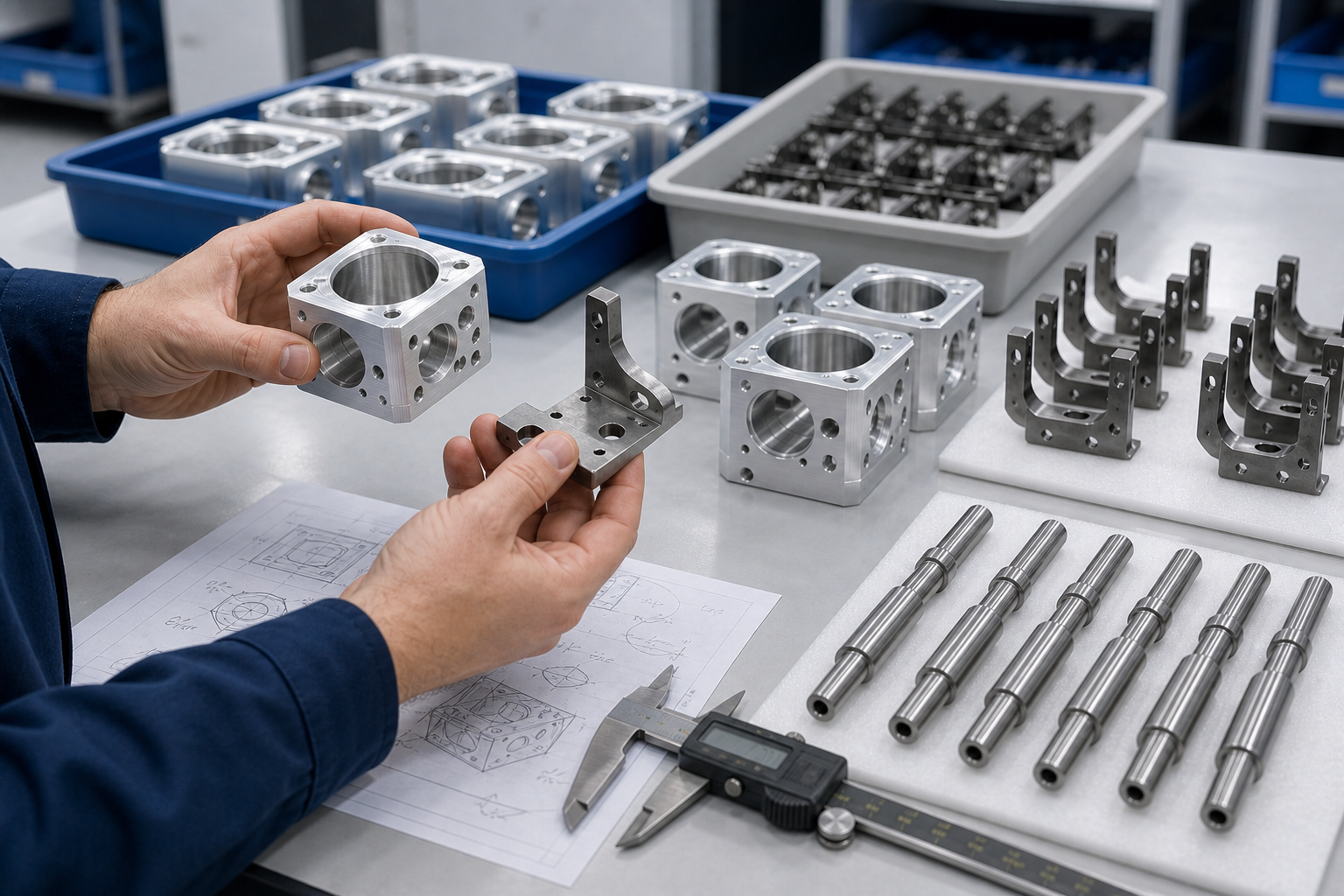
Materials, processes and prototype-release planning
Rapid prototypes are still engineering parts. These are the planning links that usually matter before the quote is released.
| Review area | What to decide early | Related page |
|---|---|---|
| Material choice | Whether the prototype needs aluminum, stainless steel, steel, brass, copper or titanium to represent real operating behavior | Aluminum machining and stainless steel machining |
| Process route | Whether the design is best represented by CNC machining, turning, 5-axis access or formed sheet metal features | Milling, turning and 5-axis machining |
| Finish and appearance | Whether the sample needs anodizing, passivation, blasting, coating or cosmetic surface review before customer approval | Surface finishing |
| Inspection path | Whether the prototype needs dimensional checks, sample evidence or a formal first-build inspection path | Quality control and FAI |
What to include in a metal prototype RFQ
The fastest quote path is usually the one with the fewest open engineering questions. A good prototype RFQ does not only attach files. It explains what the prototype needs to prove.
- 3D model and controlled drawing with the current revision clearly marked
- Prototype purpose: fit check, functional test, customer sample or pre-production validation
- Material grade, quantity and reason for the metal choice if test behavior matters
- Finish, cosmetic-face notes and any masking or visible-surface concerns
- Critical dimensions, report expectations and whether the part may continue into follow-on batches
Prototype RFQ checklist
| Files | CAD model, drawing, revision status, special notes |
| Prototype goal | Fit check, functional test, looks-like review or pre-production validation |
| Technical scope | Material grade, process route, finish, critical features and visible surfaces |
| Quality scope | Dimensional checks, first-build review, material certs or other requested documents |
| Submission path | Upload CAD for quote with the prototype purpose stated directly in the notes |
Frequently asked questions
What is metal rapid prototyping?
Metal rapid prototyping is the fast-turn production of prototype parts in real metal materials so engineers can review fit, function, strength, heat behavior or visible quality before production release.
When should a prototype be made in metal instead of plastic?
Use a metal prototype when fastening, structural behavior, sealing, heat, wear or true production-like material response matters to the review.
Is CNC machining a good route for metal prototypes?
Yes. CNC machining is often the best route for prototype parts that need accurate geometry, real threads, tight fit, machined surfaces or production-grade material behavior.
Can rapid prototypes use the same material as production parts?
They often should when the prototype is meant to answer performance questions. Material choice should be tied to the test objective and the likely follow-on route.
What files should I send for a prototype quote?
Send the current model and drawing, revision level, material, quantity, finish, critical features and a note explaining what the prototype needs to validate.
What happens after the prototype is approved?
Approved prototype designs often move into low-volume CNC machining for pilot builds, bridge production or repeat small-batch supply.
Start with the prototype question, then quote the right metal part
If the design needs true metal geometry, material behavior or assembly validation, send the current CAD package through the RFQ page with the prototype purpose, material and finish notes. That gives the review team a cleaner path to route selection, DFM feedback and fast-turn quoting.