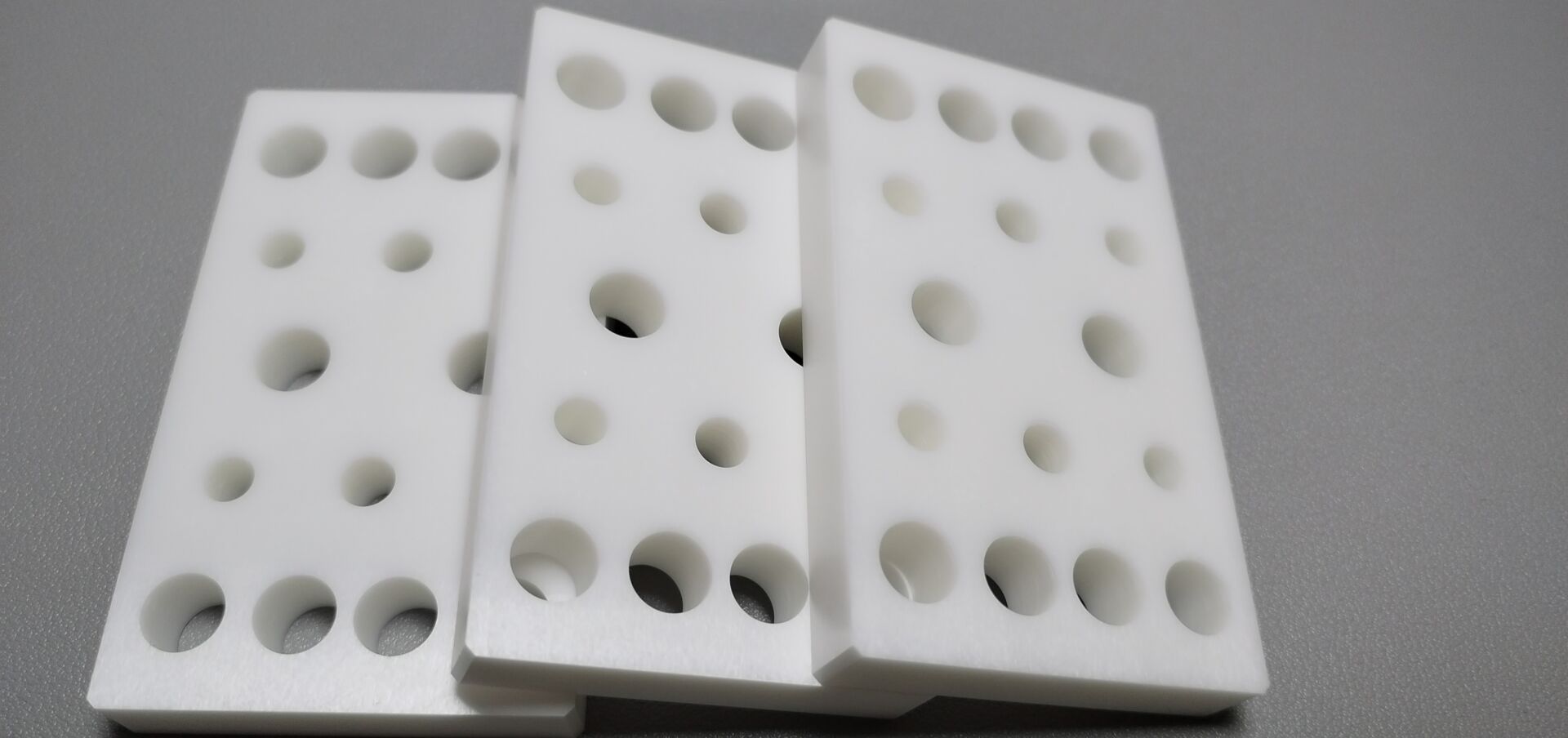
SPECIALTY ALLOY MACHINING
Specialty Alloy Machining Services for High-Performance Nickel and Superalloy Parts
Quote custom machined Inconel, Hastelloy, Monel, Kovar and related specialty-alloy parts for heat-critical, corrosion-driven and difficult-service applications. This page is built for engineers and buyers who need to balance alloy-family choice, machining risk, heat-treatment condition, finish path and RFQ completeness before production starts.
If the drawing is already fixed, move directly to our CAD upload and quote page. If the project mixes difficult materials with tighter datums, turbine-style geometry, sealing faces or inspection-heavy acceptance, connect this review with our precision CNC machining, 5-axis CNC machining and quality control and inspection pages.
Best Fit for Difficult-Alloy RFQs
- Inconel 625 and 718 heat- and corrosion-critical parts
- Hastelloy process components for aggressive environments
- Monel hardware for marine, chemical and sour-service applications
- High-risk manifolds, flanges, shafts and valve bodies
- Prototype and low-volume superalloy machining programs
- RFQs that need alloy review before final grade lock-in
Send the CAD model, target alloy family, service environment, heat-treatment condition and document needs together for faster quote review.
Core Alloy Families
Inconel, Hastelloy, Monel and related nickel-based or difficult-to-machine alloys selected by heat, corrosion and service risk.
Typical Parts
Flanges, manifolds, shafts, valve hardware, turbine-adjacent parts, chemical process components and demanding seals.
Risk Planning
Work hardening, low thermal conductivity, tool wear, treatment condition and critical-feature sequencing affect the route early.
Quote Priorities
Alloy family, service environment, treatment state, finish path, critical faces, certs and traceability needs.
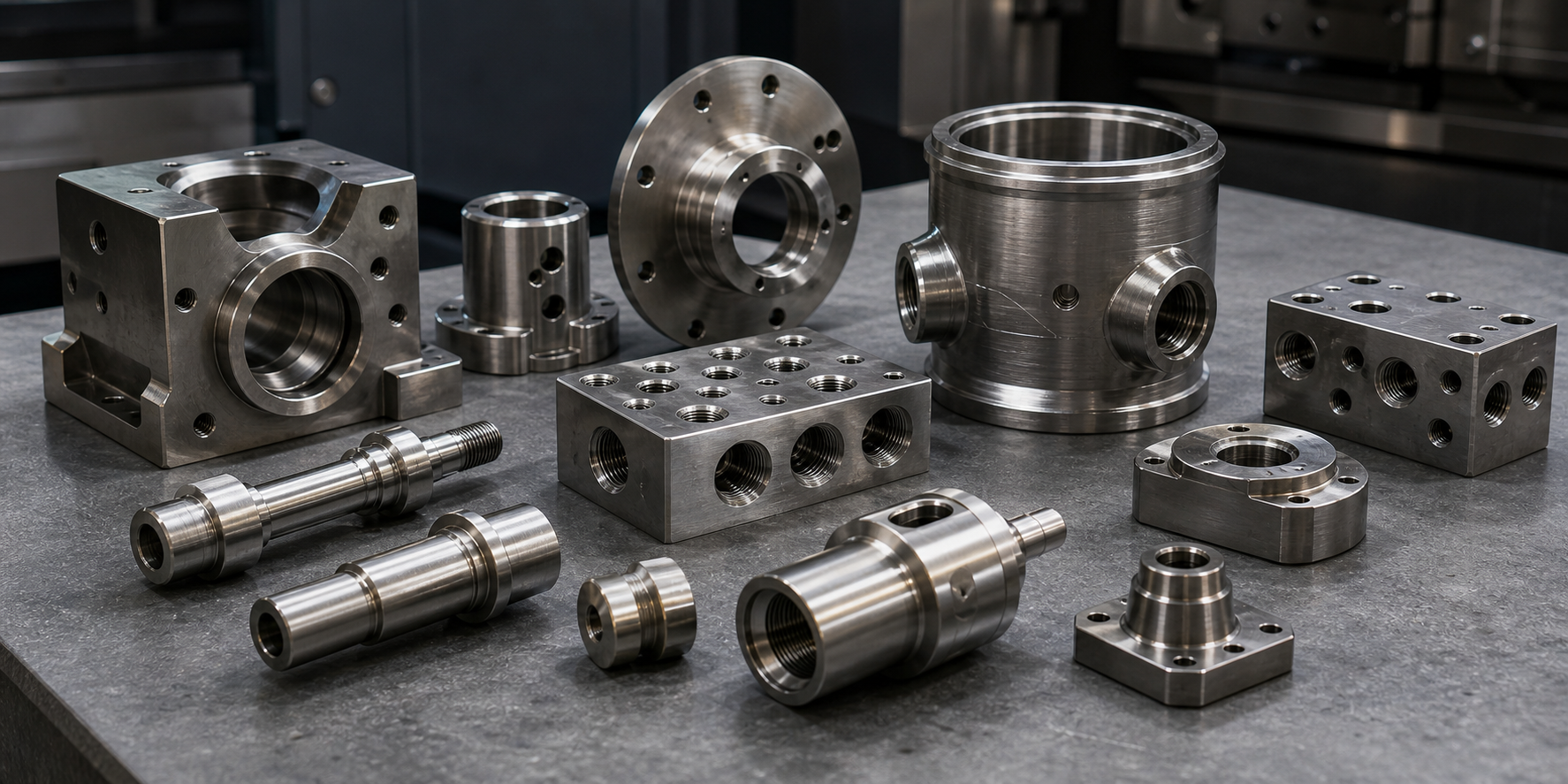
Why Specialty Alloys Are Chosen Only When Standard Metals Stop Working
Specialty alloys are usually not the first material choice. Buyers move into nickel-based superalloys, high-temperature corrosion alloys and related difficult materials when stainless steel, alloy steel or even titanium no longer cover the heat, oxidation, pressure or chemical demands of the part. That makes this page less about generic metal capability and more about whether the application truly needs a harder material path.
The real decision is often not whether a supplier can machine Inconel once, but whether the full quote path is aligned with work hardening, low thermal conductivity, surface integrity, treatment condition and inspection scope. Buyers often need a clearer answer to questions like: is 625 enough for corrosion exposure, does the part need 718 strength, should the environment push the part toward Hastelloy, and does the geometry justify a superalloy at all?
Environment-led choice
Hastelloy, Monel and corrosion-led nickel alloys become relevant when aggressive media or marine conditions drive the material path more than cost alone.
Heat- and strength-led choice
Inconel grades move into the short list when the part has to hold strength and integrity under heat, pressure or oxidation-heavy service.
Specialty Alloy Family Selection Matrix
This matrix is meant to reduce misquoted difficult-material projects by connecting service environment, performance target and part family to the most common alloy-family directions.
| Alloy family | Best fit | Why buyers choose it | RFQ notes that matter |
|---|---|---|---|
| Inconel 625 | Corrosion-resistant and high-temperature parts for marine, chemical and demanding process environments | Often chosen when the part needs strong corrosion and oxidation resistance with a nickel-based high-performance route. | Describe environment, pressure or thermal conditions, visible surfaces and any downstream finish or cert requirements. |
| Inconel 718 | Strength-driven aerospace, turbine-adjacent and mechanically demanding components | Usually selected when high strength and temperature capability justify a harder and more tightly controlled machining route. | Call out treatment condition, stress-critical features, bores, datums and whether the part is machined before or after aging or hardening. |
| Hastelloy family | Process equipment and chemical-exposure parts where corrosion resistance dominates the material decision | Chosen when chemical resistance and harsh-environment reliability matter more than simply using a stronger common alloy. | Describe the media, temperature, sealing faces and whether the part needs traceable corrosion-focused material review. |
| Monel and related nickel-copper alloys | Marine, sour-service and corrosion-driven hardware where nickel-copper behavior fits the application | Used when the environment pushes beyond standard stainless choices and toward a more specialized corrosion route. | Clarify environment, thread or sealing geometry and whether the part is function-led, visible or fit-critical. |
Typical Specialty Alloy Part Types and What Changes the Quote
Flanges and manifolds
Sealing faces, port geometry, heat-treatment state and critical flatness usually matter more than part size alone.
Shafts and turned hardware
Alloy condition, thread quality, work-hardening risk and surface integrity often drive the review.
Valve and process components
Corrosion environment, internal flow paths, bore finish and mating surfaces define the RFQ depth.
Heat-critical structural parts
Stress points, treatment sequence, distortion risk and certification needs can dominate the process route.
If the specialty-alloy project belongs to a broader assembly or multi-material program, use this page together with our custom metal parts and CNC machining services pages so the quote reflects the full application context rather than one isolated part.
Machining Risks to Flag Early on Difficult Alloys
- Work hardening: nickel-based alloys can harden rapidly during cutting, which changes tool load and makes repeated passes through the same surface more sensitive.
- Low thermal conductivity: heat stays in the cutting zone, so deep cavities, thin walls and long engagement features deserve earlier review than they do in steel or aluminum.
- Tool wear and route cost: difficult alloys can shift quote economics quickly when geometry includes thin ribs, interrupted cuts, deep threads or large material removal volume.
- Treatment condition: whether the part is annealed, solution-treated, aged or otherwise conditioned changes both machining difficulty and dimensional risk.
- Critical-surface sequencing: sealing faces, bores, threads and visible surfaces may each need a different process priority, so the RFQ should not treat them as generic features.
For difficult-material parts where geometry and tolerance strategy dominate the risk, move the drawing through our precision machining review path before finalizing the RFQ.
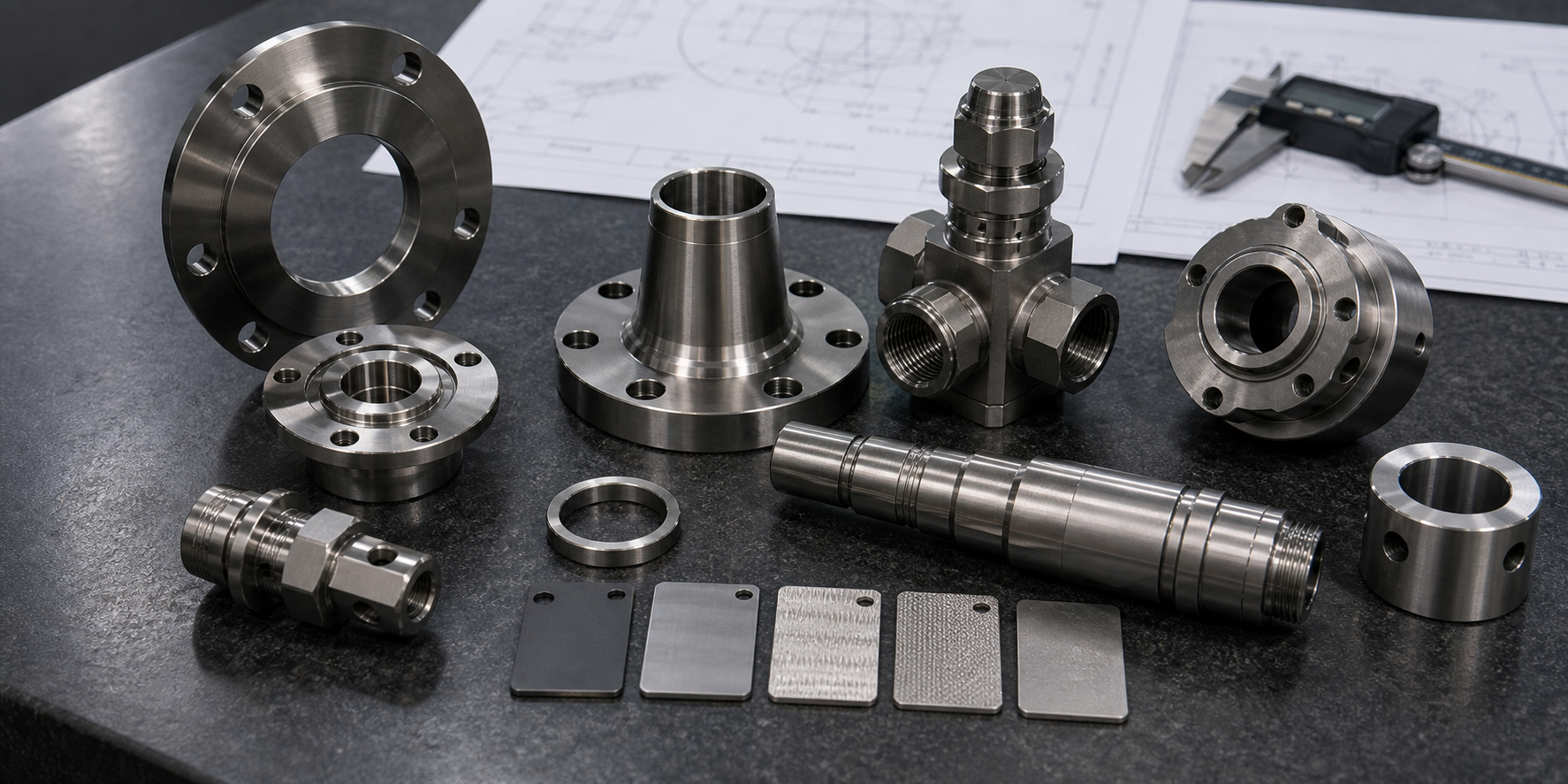
When Specialty Alloys Make More Sense Than Titanium, Stainless or Alloy Steel
| Material path | Usually chosen when | Tradeoff to remember |
|---|---|---|
| Specialty alloys | You need higher heat capability, corrosion resistance or difficult-environment performance beyond the practical range of common machining metals. | Material cost and machining difficulty rise quickly, so the geometry and service conditions should clearly justify the route. |
| Titanium | You need high strength-to-weight performance or a cleaner corrosion-resistant material path without necessarily moving into nickel superalloys. | Titanium is still difficult, but it does not replace nickel-alloy performance in the hottest or harshest cases. |
| Stainless steel | You need corrosion resistance and broad engineering familiarity for many industrial parts. | It can fall short when temperature, oxidation or chemical severity pushes the part beyond common stainless limits. |
| Alloy steel | You need strength and wear performance with a more conventional cost and machining route. | It usually cannot replace specialty alloys when heat and corrosion exposure are both central to the application. |
If your project is still open between a few materials, compare this page with our titanium CNC machining, stainless steel CNC machining and steel CNC machining pages before the RFQ is finalized.
Finish, Treatment and Documentation Planning
| Planning item | Why it matters | What to call out in the RFQ |
|---|---|---|
| Material condition | Annealed, hardened or age-treated condition can change route difficulty and dimensional risk. | Specify the incoming or final condition if it affects cost, tool wear or post-machining geometry control. |
| Surface state | As-machined, blasted or other surface expectations affect visible areas, sealing faces and acceptance logic. | Separate cosmetic surfaces from critical bores, threads and sealing interfaces so finishing expectations stay realistic. |
| Inspection documents | Specialty-alloy buyers often need more than a simple shipment; certs and reports can be part of acceptance. | List material certs, dimensional reports, FAI or traceability needs in the first RFQ rather than after quotation. |
| Traceability path | Higher-value alloys are often sourced for regulated or critical applications where traceability matters. | Use the RFQ notes to tie traceability requirements to the project rather than assuming a generic document package. |
If document scope is still open, use this page together with our material certificates and traceability page so material and release expectations stay aligned.
RFQ Checklist for Specialty Alloy Machined Parts
| RFQ input | What to include |
|---|---|
| CAD model and drawing | Include the 3D model plus 2D drawing for critical dimensions, bores, threads, sealing faces, finish notes and any treatment-sensitive geometry. |
| Target alloy family or grade | Call out whether the part is aimed at Inconel 625, Inconel 718, Hastelloy, Monel or another specialty-alloy route, even if provisional. |
| Service environment | Describe temperature, oxidation, corrosion media, pressure or application conditions when they affect material choice. |
| Material condition | Specify annealed, aged, hardened or otherwise controlled material condition if that changes machining difficulty or acceptance. |
| Critical features | Mark threads, sealing surfaces, visible faces, thin walls, deep cavities and any high-risk areas that can change tooling strategy. |
| Documentation | Add material cert, dimensional report, traceability or FAI needs in the first RFQ so the route is quoted correctly. |
If the exact alloy is still open, send the service conditions and failure concern with the drawing so the review can narrow the right material path instead of quoting multiple mismatched routes.
Specialty Alloy Machining FAQ
What alloys are usually included in specialty alloy machining?
This usually refers to difficult-to-machine high-performance materials such as Inconel, Hastelloy, Monel, Kovar and related nickel-based or specialty alloy families.
When should I choose Inconel 718 instead of Inconel 625?
718 is often considered when the part is more strength-driven, while 625 is often evaluated when corrosion and high-temperature environment performance are more central to the application.
Why are nickel-based alloys difficult to machine?
They can work harden quickly, keep heat in the cutting zone and accelerate tool wear, which makes feature strategy and process control more important than with common metals.
What should I include in a specialty-alloy RFQ besides the alloy name?
Include the service environment, material condition, critical faces or threads, finish expectations, quantity and any document or traceability requirements.
Can specialty alloy parts still be quoted for prototypes and low volume?
Yes, but difficult-alloy prototypes still need complete RFQ inputs because material condition, geometry and documentation can change the route even at low quantities.
Ready to review a specialty-alloy machining requirement?
Upload the CAD file with target alloy family, service environment, treatment condition, critical dimensions and document requirements. If the part combines difficult materials with tighter tolerance control, use the same RFQ path and flag the risk-driving features in the notes.